Redesigning an open-source electronic medical record system used globally in low-resource settings
Impact
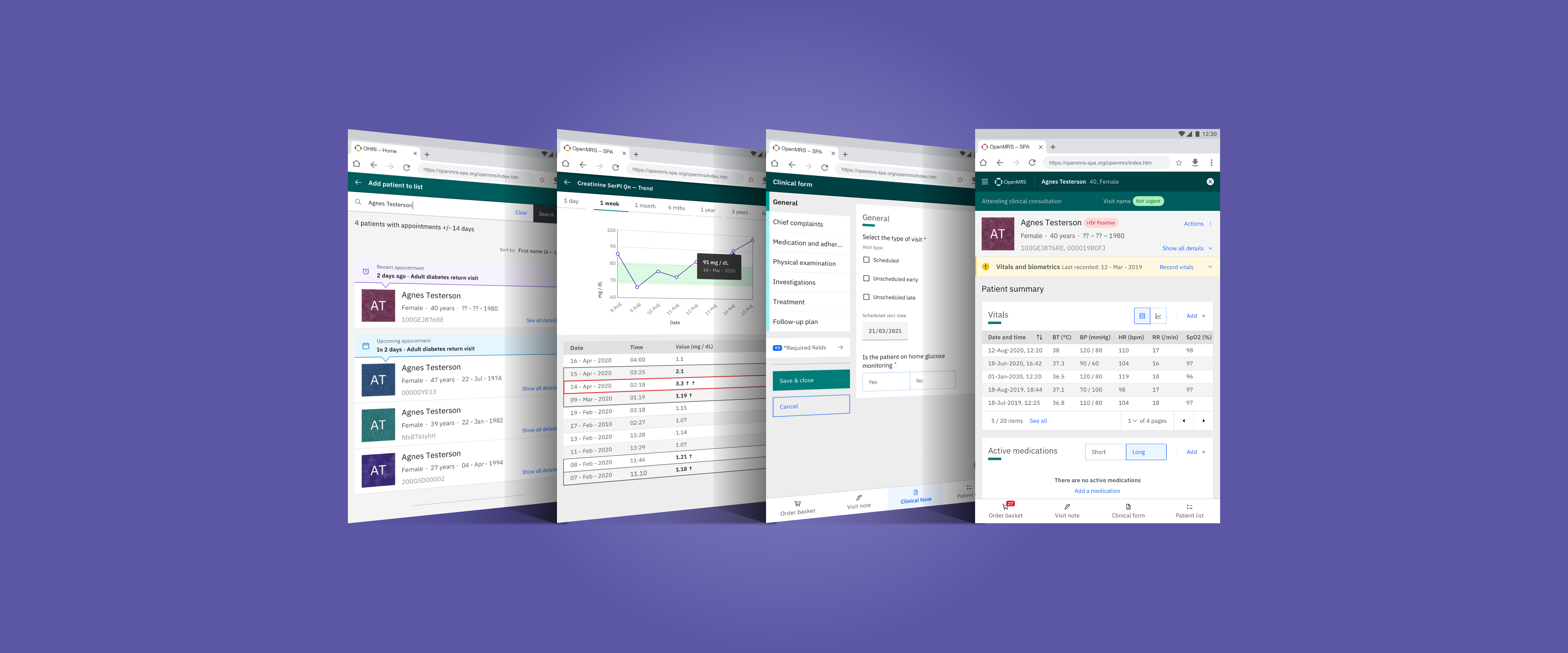
Sonder Collective led the design of OpenMRS-3, representing a significant upgrade to the previous version of the open-source electronic medical record system, or OpenMRS, used in many low- and middle-income countries. The team collaborated closely with healthcare providers, implementing partners, and ministries of health using digital product design best practices to update OpenMRS-3 to better meet user needs creating:
- Dispensing Module: Assisting pharmacists in retrieving prescriptions, tracking medication dispenses, and monitoring changes based on available stock.
- Patient Queue & Management: Supporting providers in tracking patients' journeys through healthcare facilities.
- Clinical Consultation Experience: Grounded in the HIV and NCD domains, the clinical consultation features support clinicians in reviewing test results, completing visit forms, and ordering lab tests, prescriptions, and referrals.
What I appreciate most about working with Sonder Collective is their commitment to the challenge. They work side-by-side with us to improve the experience of care for patients and providers in low-resource environments all around the world. As our design partner, their work informs the strategic product direction of OpenMR, and guides the development of new solutions in our global system. I’m excited about what we are building together with organisations on over five continents.
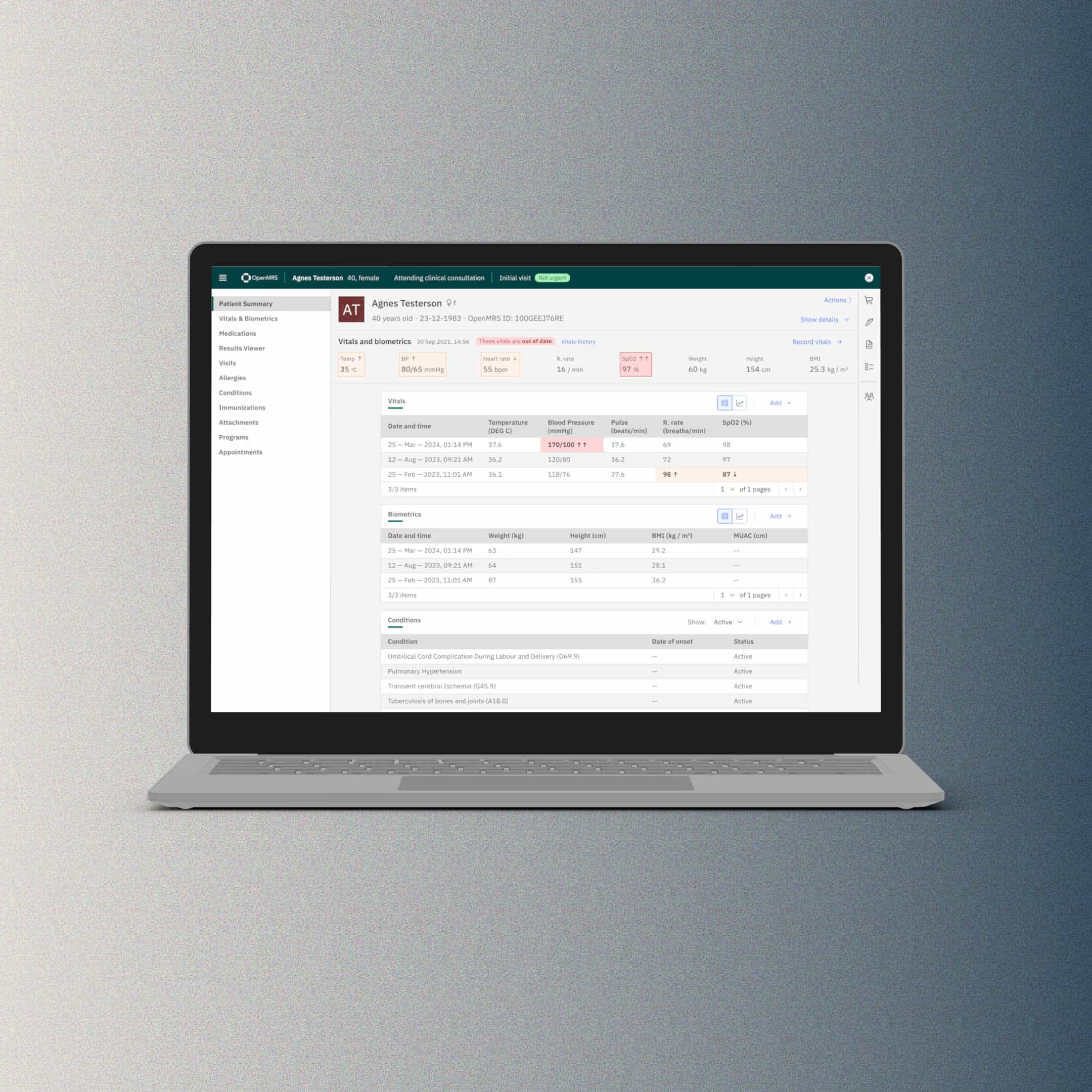
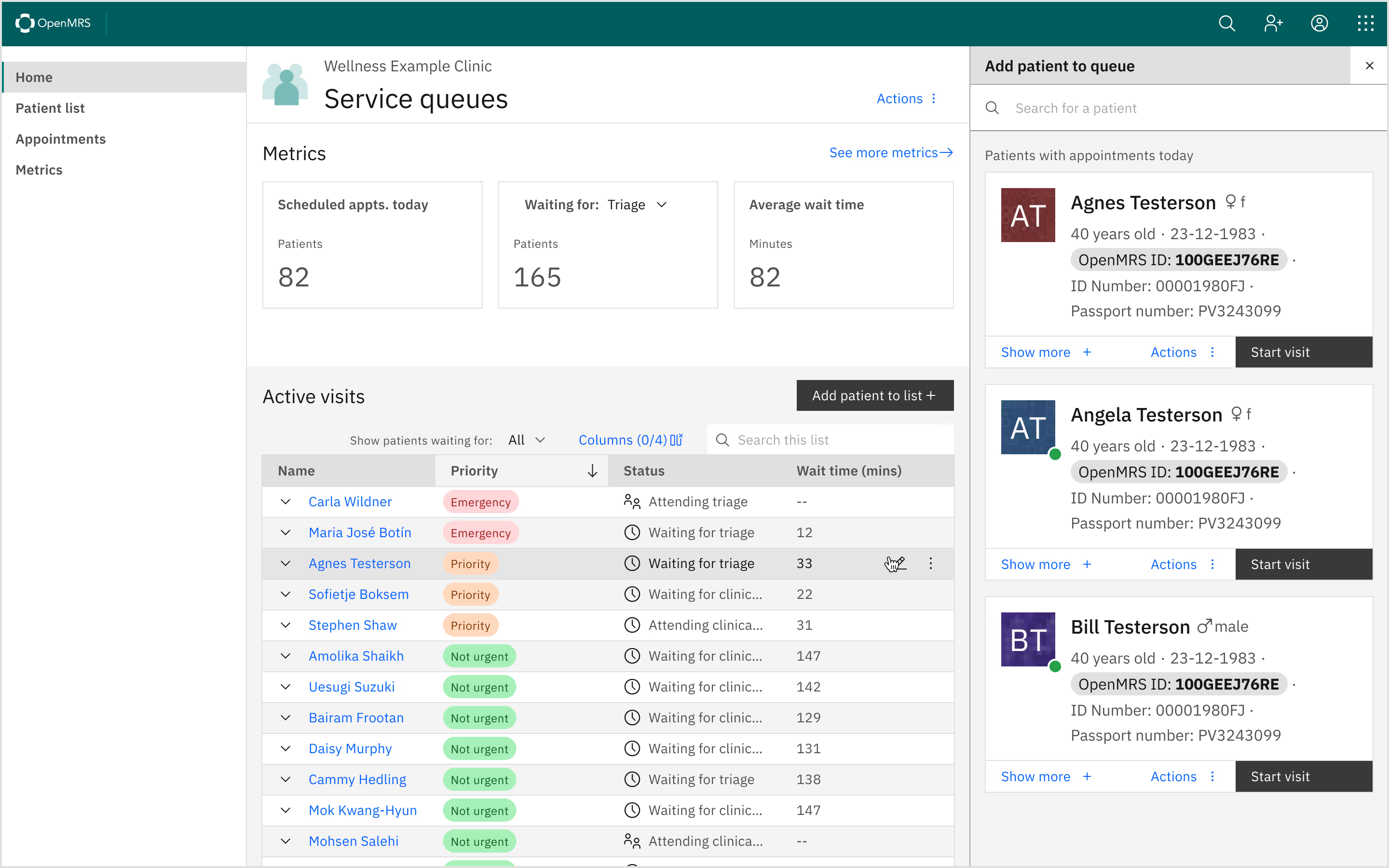
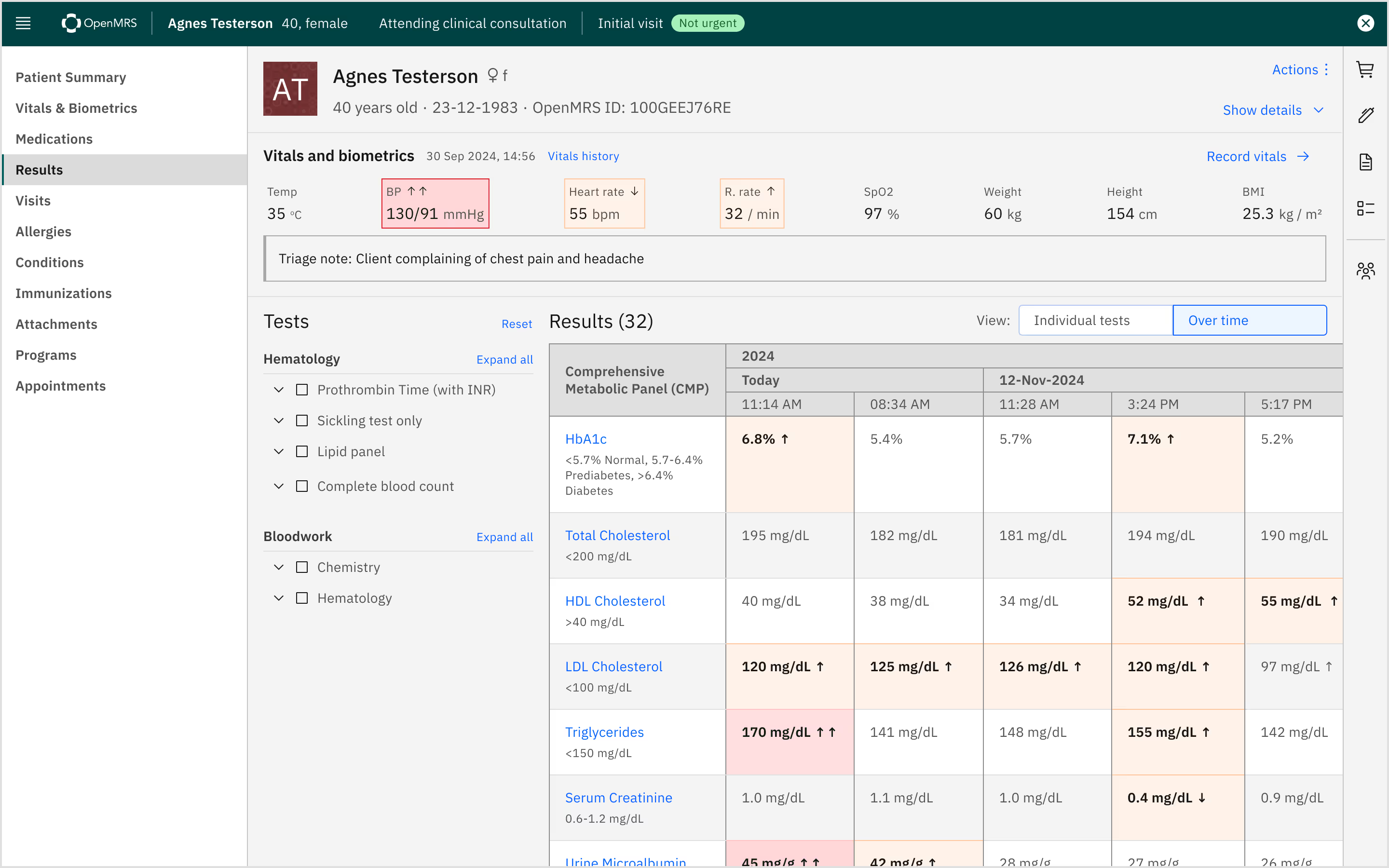
Credit: Sonder Collective.
Challenge
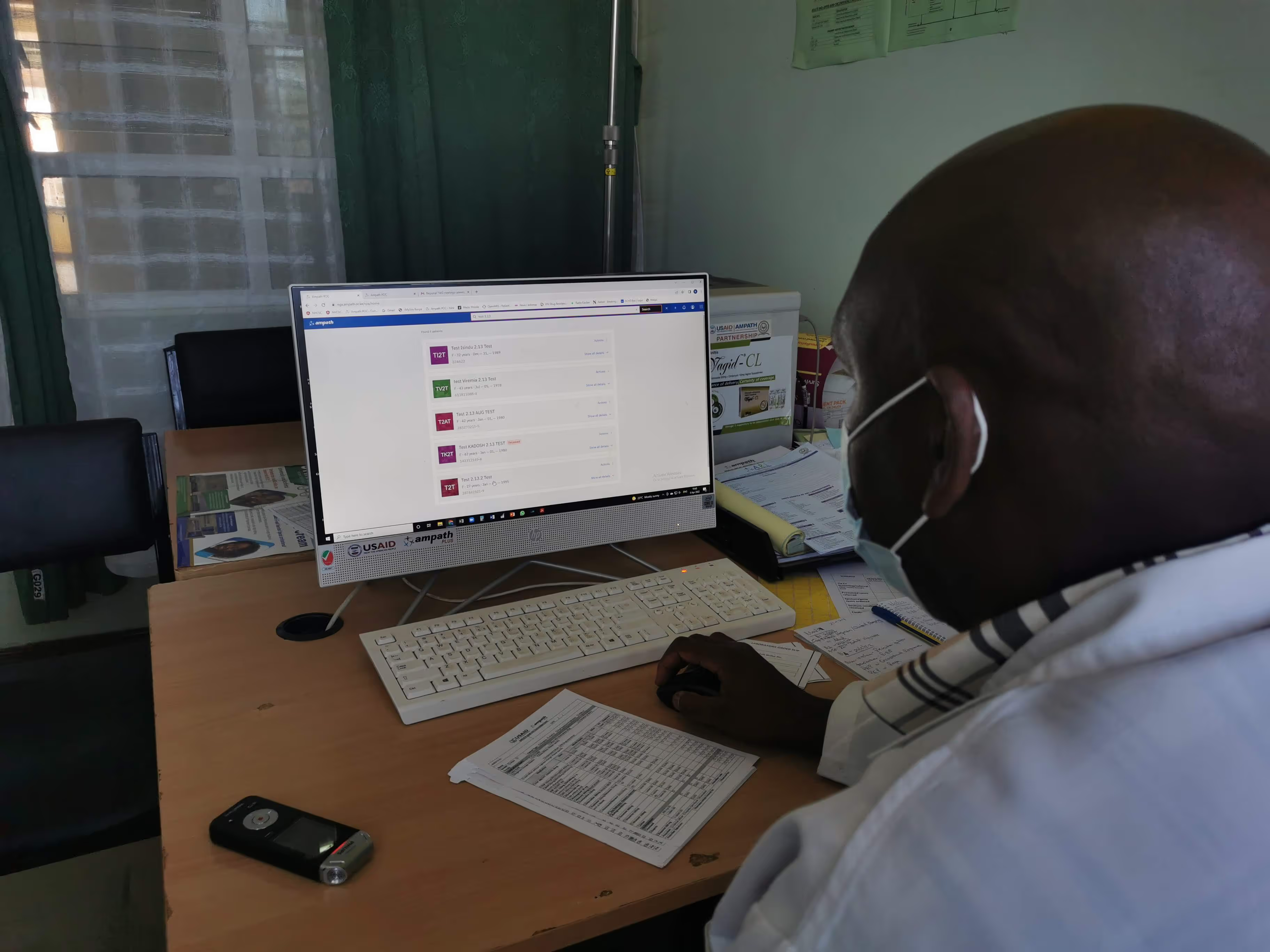
OpenMRS is a collaborative, open-source platform that supports health care delivery in low- and low- and middle-income countries. In 2020, the platform was in need of a redesign to better support the needs of its users who experienced a number of challenges with the existing system that led to errors and inefficiencies.
Approach
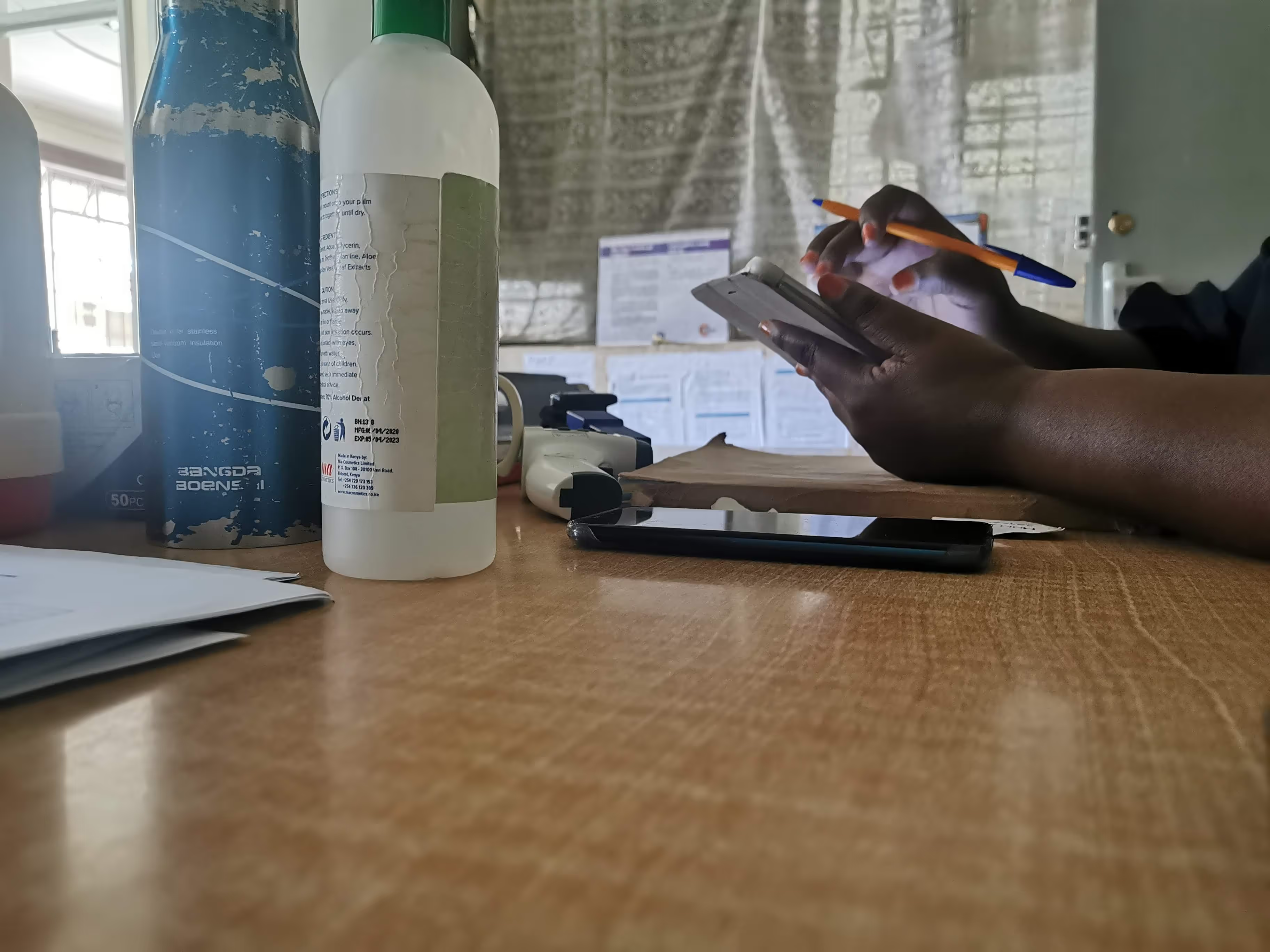
Sonder began by mapping the daily experiences of clinicians, nurses, clerks, and community health workers across Kenya, Uganda, Haiti, and South Sudan to understand their electronic medical record needs and pain points. The initial research and testing was grounded in the context of HIV care. After gaining a thorough understanding of the context of care, Through patient-journey mapping, and testing with clinicians, the team uncovered challenges such as emergency-driven context switching, error-prone data entry settings, and barriers created by long clinical forms.
Building on IBM’s Carbon Design System, Sonder created a robust, accessible design system tailored to OpenMRS users with limited experience using digital tools. The team also addressed infrastructure realities, like unreliable electricity, by developing an ‘Offline Mode’ that better supported continuity of care.
Later, the team tested the HIV consultation flow with non-communicable disease care providers, ensuring that everyday actions like registering patients, reviewing test results, ordering lab tests and drugs, and filling clinical forms was easy, and accessible.
Ongoing collaboration and testing with global implementers ensured that OpenMRS-3 was adaptable, practical, and ready for scale in multiple contexts when it was released in beta in 2024. As of December 2025, Open MRS-3 is being used in over 8000 sites globally.
Partners