Co-creating tools for health workers to support decision making and improve health outcomes
Impact
The impact of PHISICC (or Paper-Based Health Information Systems in Comprehensive Care) was measured using a randomized control trial – the most rigorous scientific testing standard – covering 4 million people in 210 health facilities in 3 countries over 1 year. Because of PHISICC tools:
12%
more children received vaccines for preventable disease in Côte d'Ivoire.
25%
more children were diagnosed and treated properly in Nigeria.
4.4 hours
were saved per health worker in completing monthly reporting in Côte d'Ivoire.
10%
of health workers felt better valued by their superiors in Mozambique.
We have moved from nursing to medical care. [PHISICC] allows us to really have quality diagnoses, reliable data that allow us to be able to treat our patients and do the treatments like a doctor.
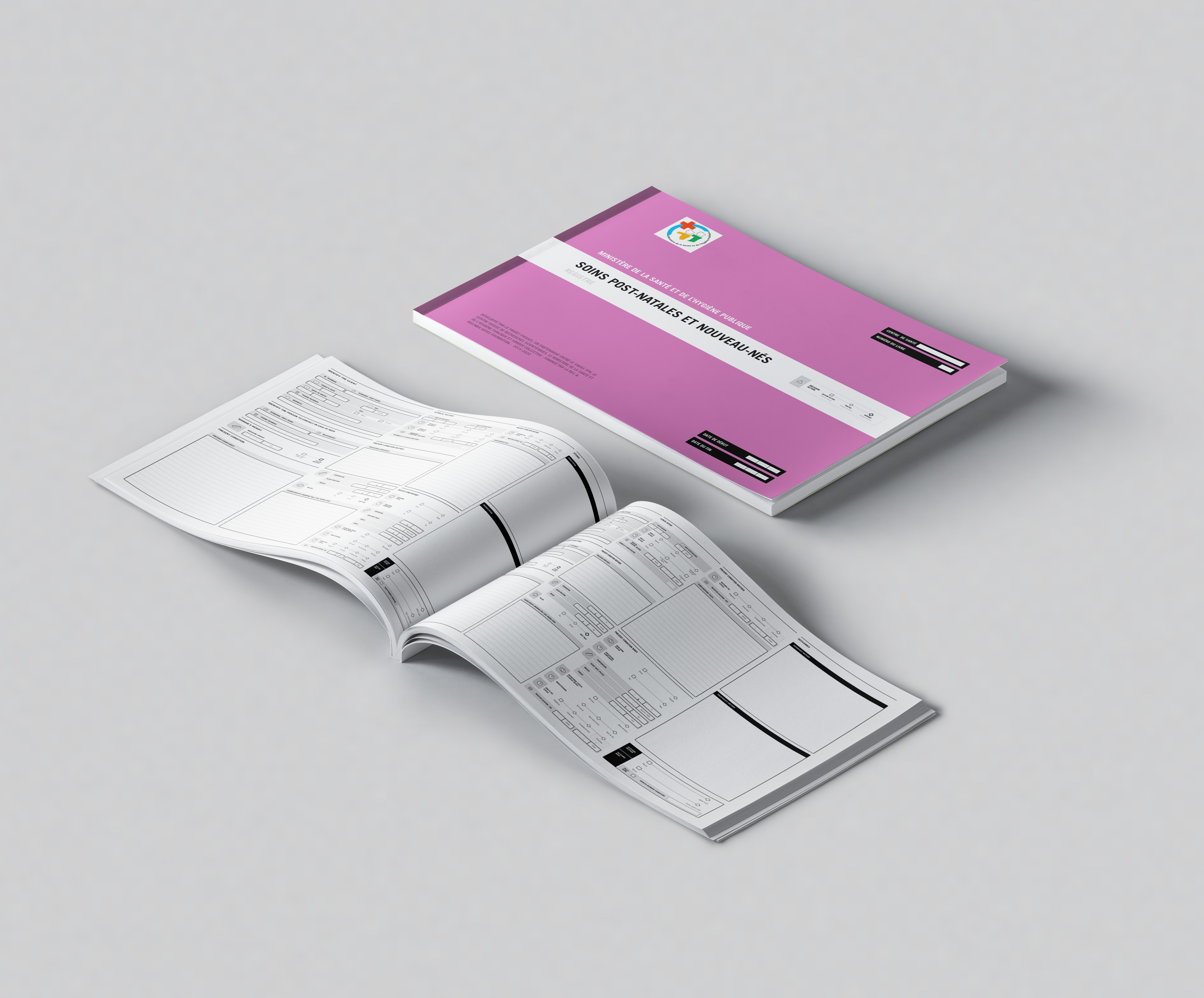
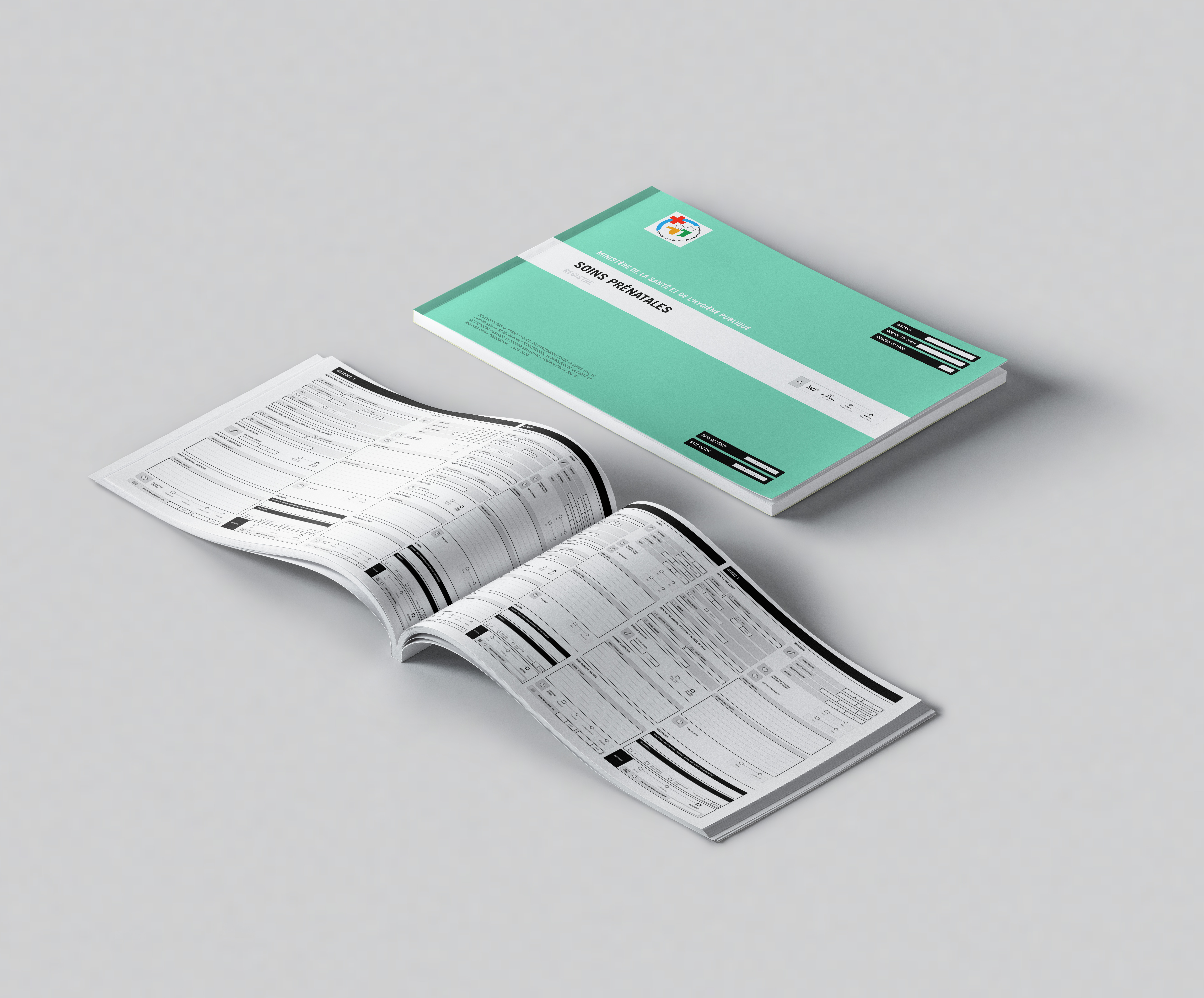
Credit: Sonder Collective.
Challenge
In rural Sub-Saharan Africa, isolated health facilities with minimal staff struggle under pressure to treat diseases while documenting data for ministries and donors using outdated paper ledgers. Health workers spend 2-3 days monthly on cumbersome reporting. Though digital solutions seem obvious, only 9% of rural areas have stable electricity and network coverage, making improved paper-based systems more pragmatic and cost-effective.
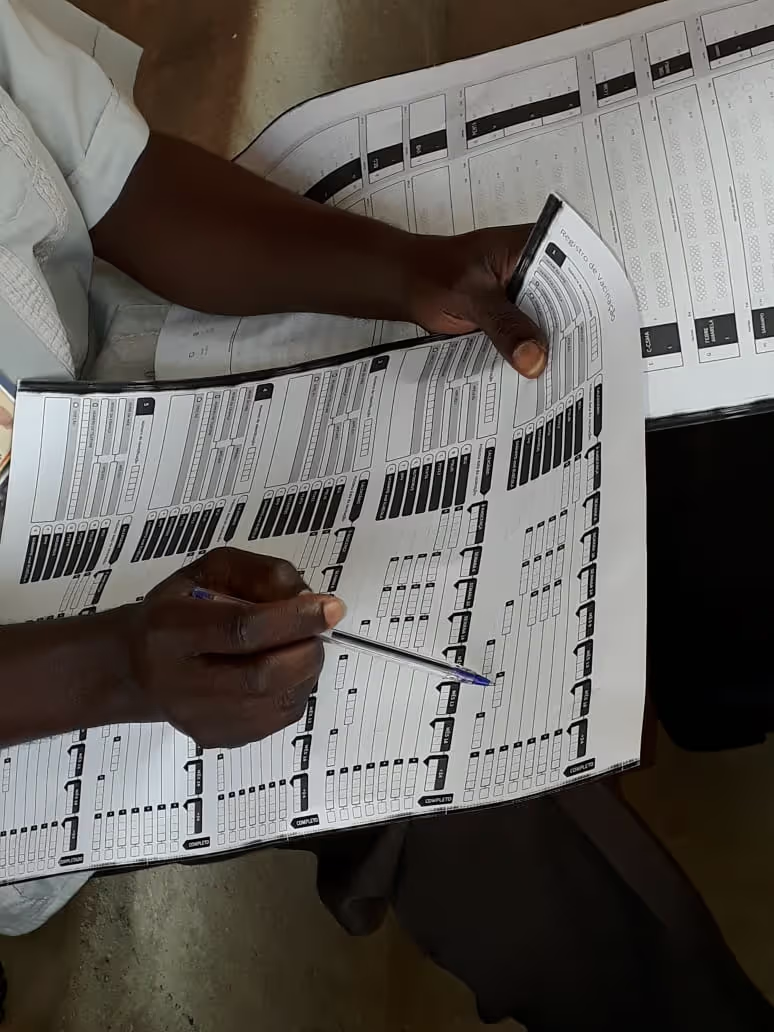
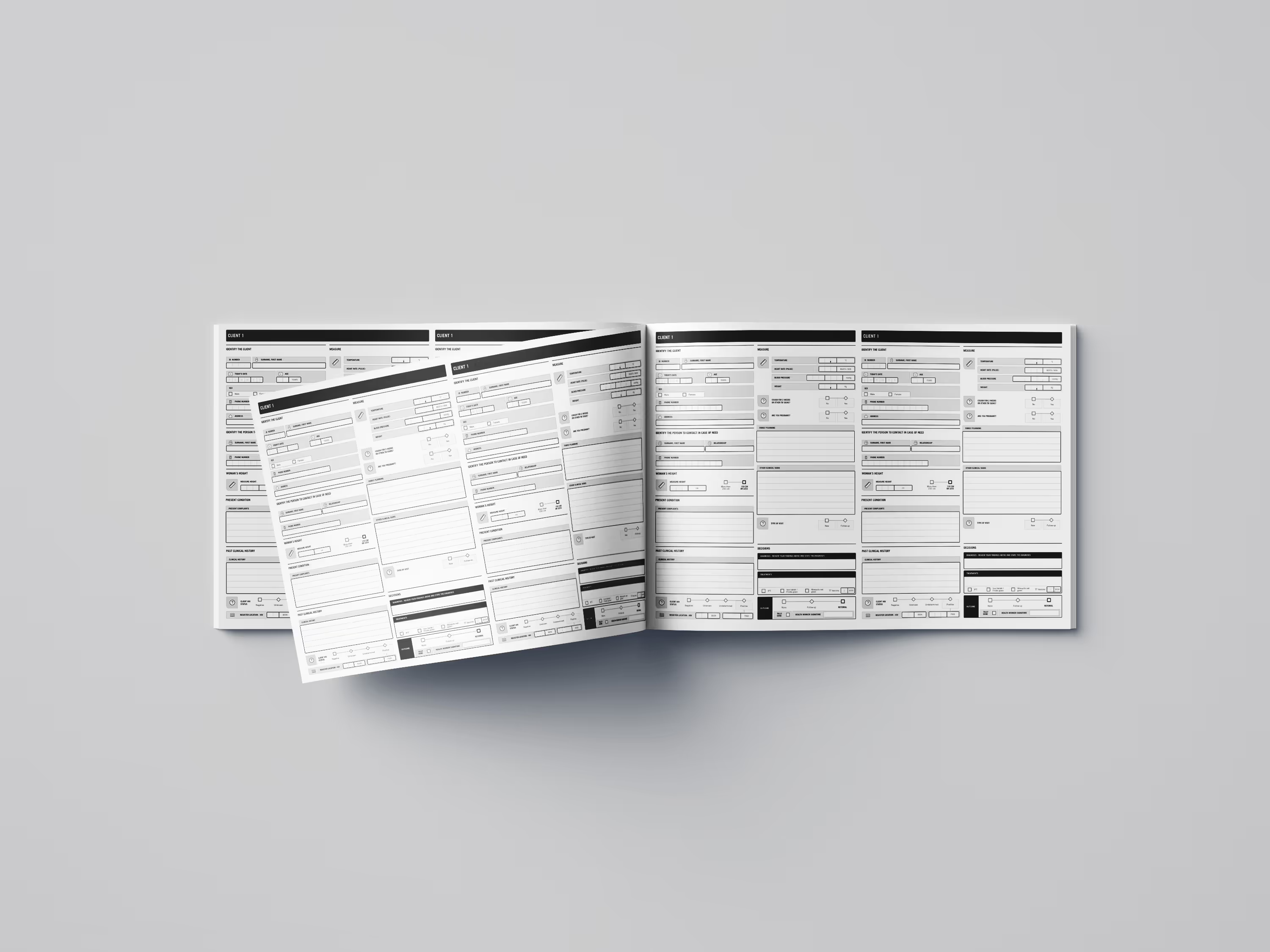
PHISICC assists health workers in making evidence-based decisions by integrating decision support into the form design. Credit: Sonder Collective.
.avif)
A PHISICC tally sheet assists health workers in maintaining a clear record of the number of patients seen and the services provided each day. Credit: Sonder Collective.
Approach
Sonder worked collaboratively with health workers, ministry officials, public health experts, and designers from Côte d'Ivoire, Mozambique, and Nigeria over 19 months to develop the paper-based clinical support and data collection innovation known as PHISICC. The project was structured into 3 phases:
- Set-Up: Formation and training of working groups that would take responsibility for ideation and design.
- Ideation: Concept exploration workshops, low-fidelity prototype development and field testing.
- Co-design: High-fidelity prototype development and testing, trial implementation preparation.
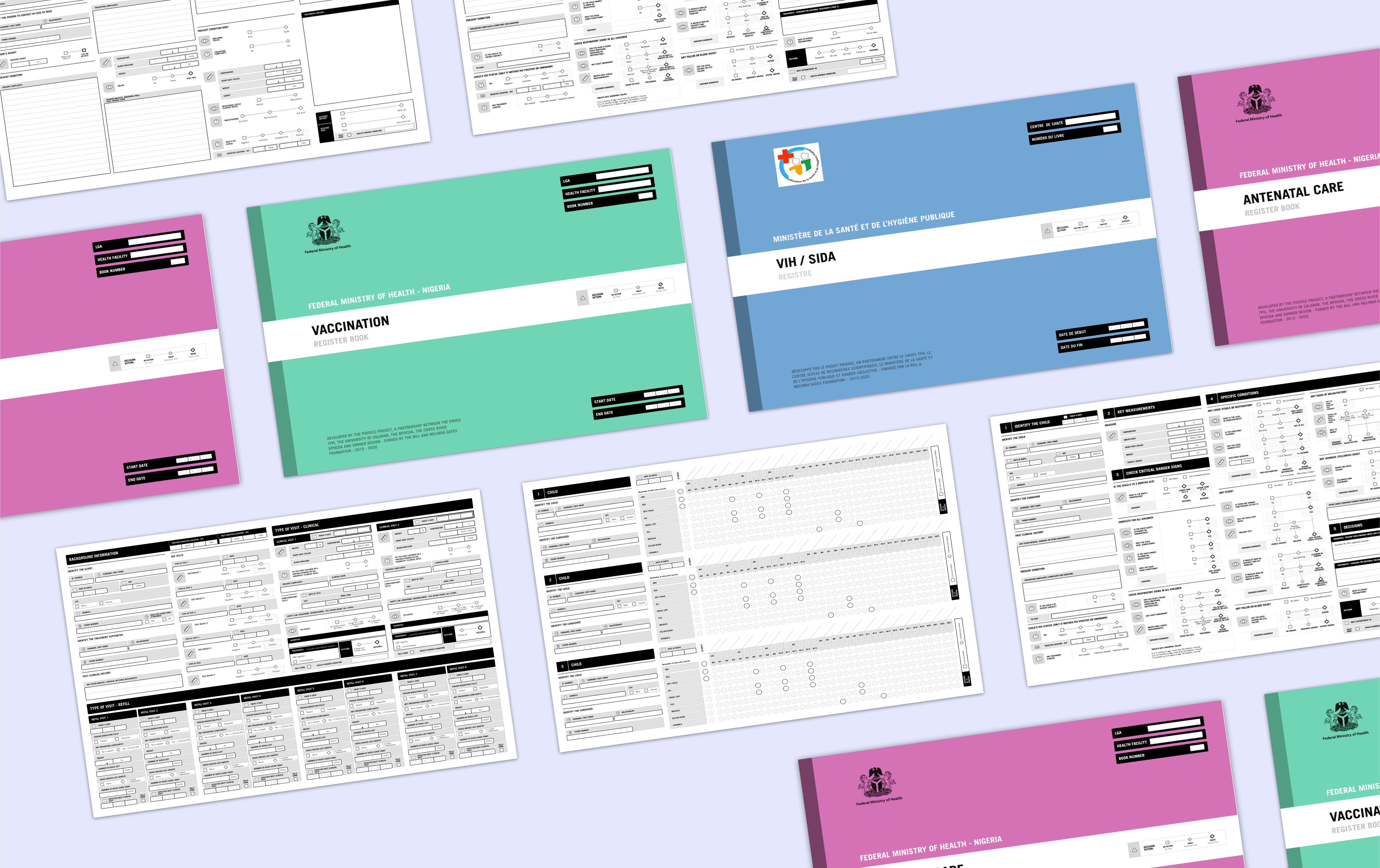
The PHISICC system was produced using co-design principles and best practices, resulting in elegant decision-making routine health information systems tools that also meet the data needs of health ministries and donor agencies covering a full range of primary care topics ranging from antenatal and postnatal care to vaccination, sick child visits, and outpatient consultations.
Specific system features include:
- Simple visual hierarchy for the sequential tasks that occur during a clinical interaction;
- Clear iconography to guide clinical actions;
- Algorithmic decision pathways to support assessment, diagnosis, treatment, and referrals; and,
- Prompts for follow-up visit/action discussions.
PHISICC ultimately reframed the role of health workers in remote, rural areas from basic service functionaries to active partners in the health of their patients.
The PHISICC system was produced using design principles and best practices, resulting in elegant decision-making routine health information systems tools that also meet the data needs of health ministries and donor agencies covering a full range of primary care topics ranging from antenatal and postnatal care to vaccination, sick child visits, and outpatient consultations.
The team published several papers further detailing their approach, including:
- Does an innovative paper-based health information system (PHISICC) improve data quality and use in primary healthcare? Protocol of a multicountry, cluster randomised controlled trial in sub-Saharan African rural settings (BMJ Global Health)
- How to design decision-support tools for primary healthcare using a human-centred design approach: the processes and experience of PHISICC in three Sub-Saharan countries (BMJ Global Health)
- Researching, co‑creating and testing innovations in paper‑based health information systems (PHISICC) to support health workers’ decision‑making: protocol of a multi‑country, transdisciplinary, mixed‑methods research programme in three sub‑Saharan countries (BioMed Central)
Partners





%201.avif)