Reimagining Technical Assistance
Rethinking the design and implementation of technical assistance
Impact
The project exposed how technical assistance prioritises donor agendas over country needs, lacks accountability, and focuses on quick fixes that leaves health systems weak and dependent. Participants co-created the components of a fundamental transformation of the technical assistance model through a redistribution of power that enables governments to better lead their own health agendas.
The final report highlighted:
- Nine critical shifts
- Four domains of change
- Twenty new guiding principles
Challenge
Global health actors lack a common definition and approach for technical assistance, resulting in confusion and an inefficient and ineffective use of resources.
There is a disconnect between the human problem we are trying to solve and the processes we have to follow - the process has become the end in itself.
Interview Participant
Approach
Using a multi-phase human-centered design approach, Sonder worked with the project team to:
- Conducted in-depth interviews with healthcare providers, civil servants, donor representatives, and implementing partners to better understand and reframe traditional technical assistance power dynamics.
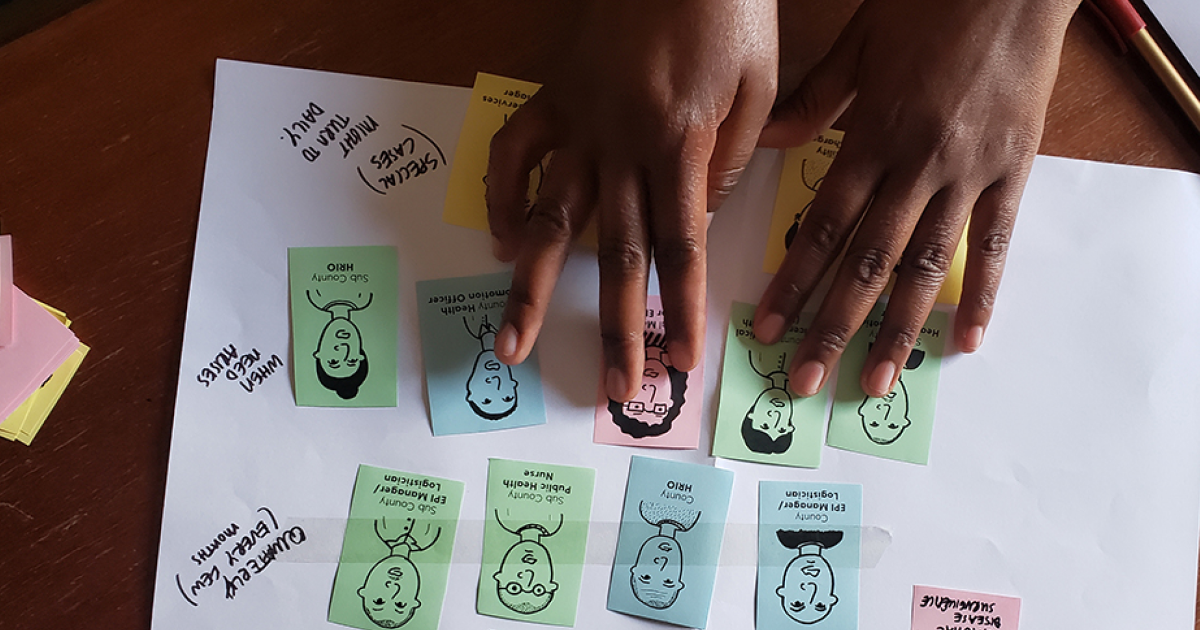
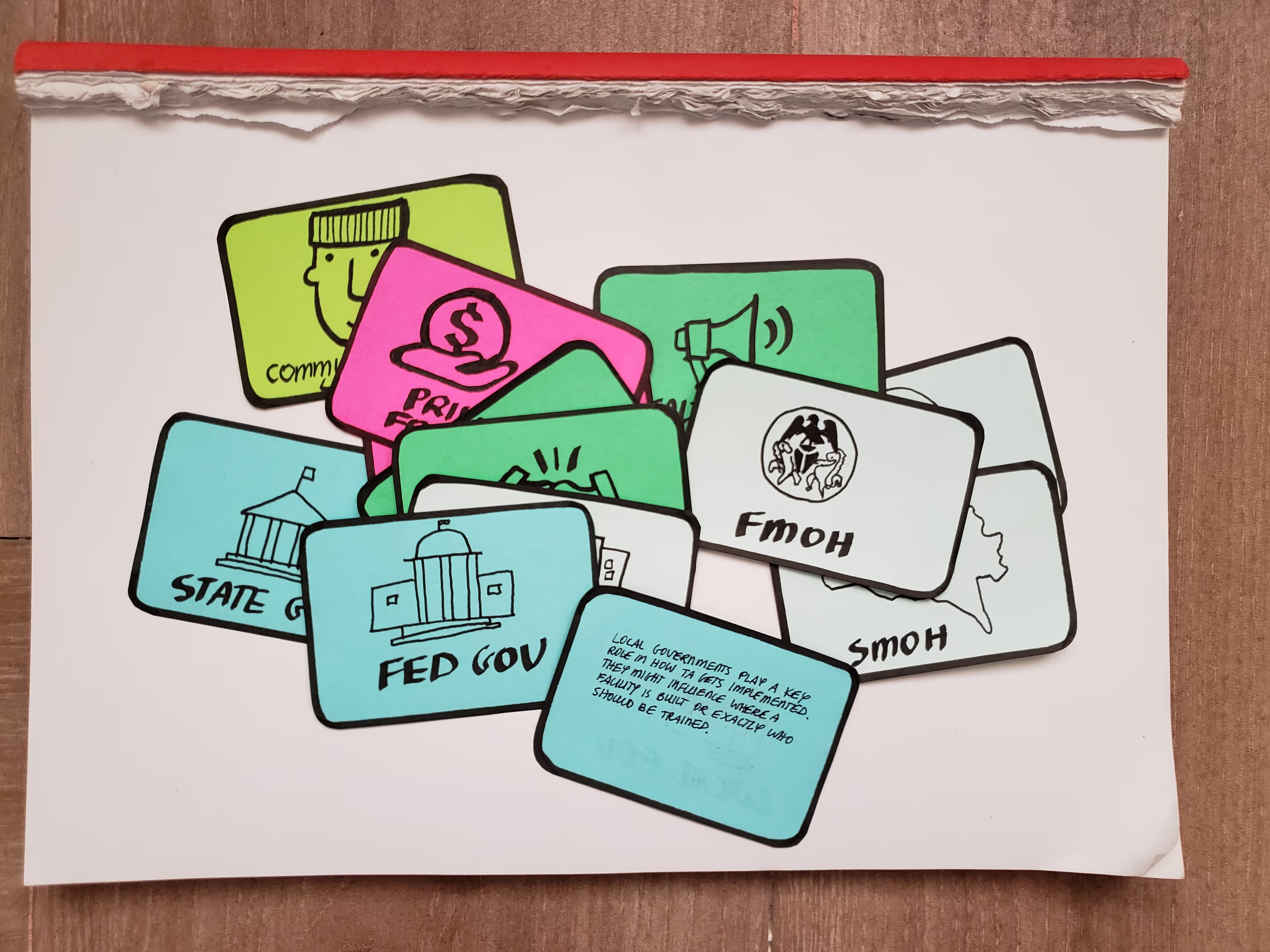
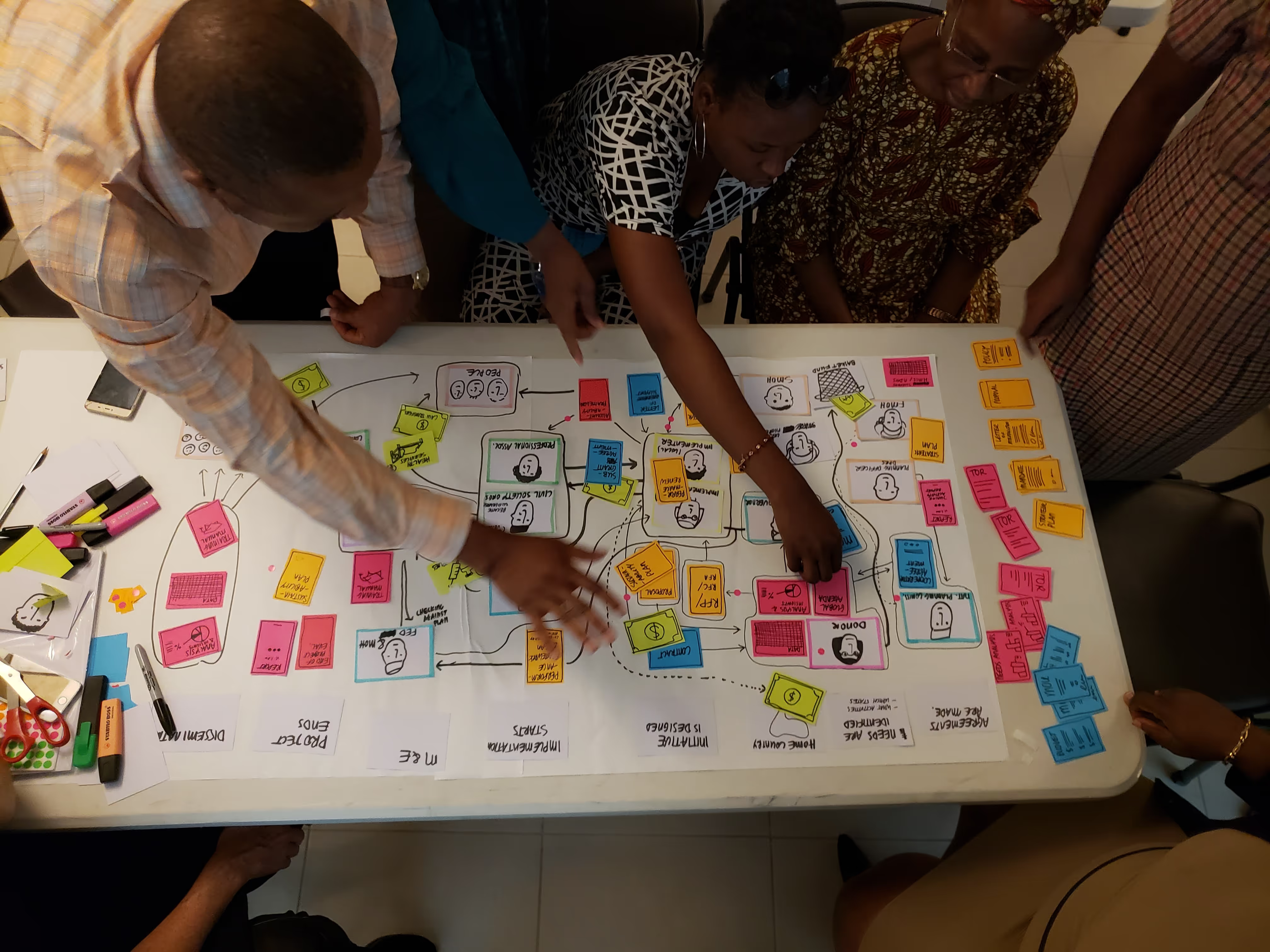
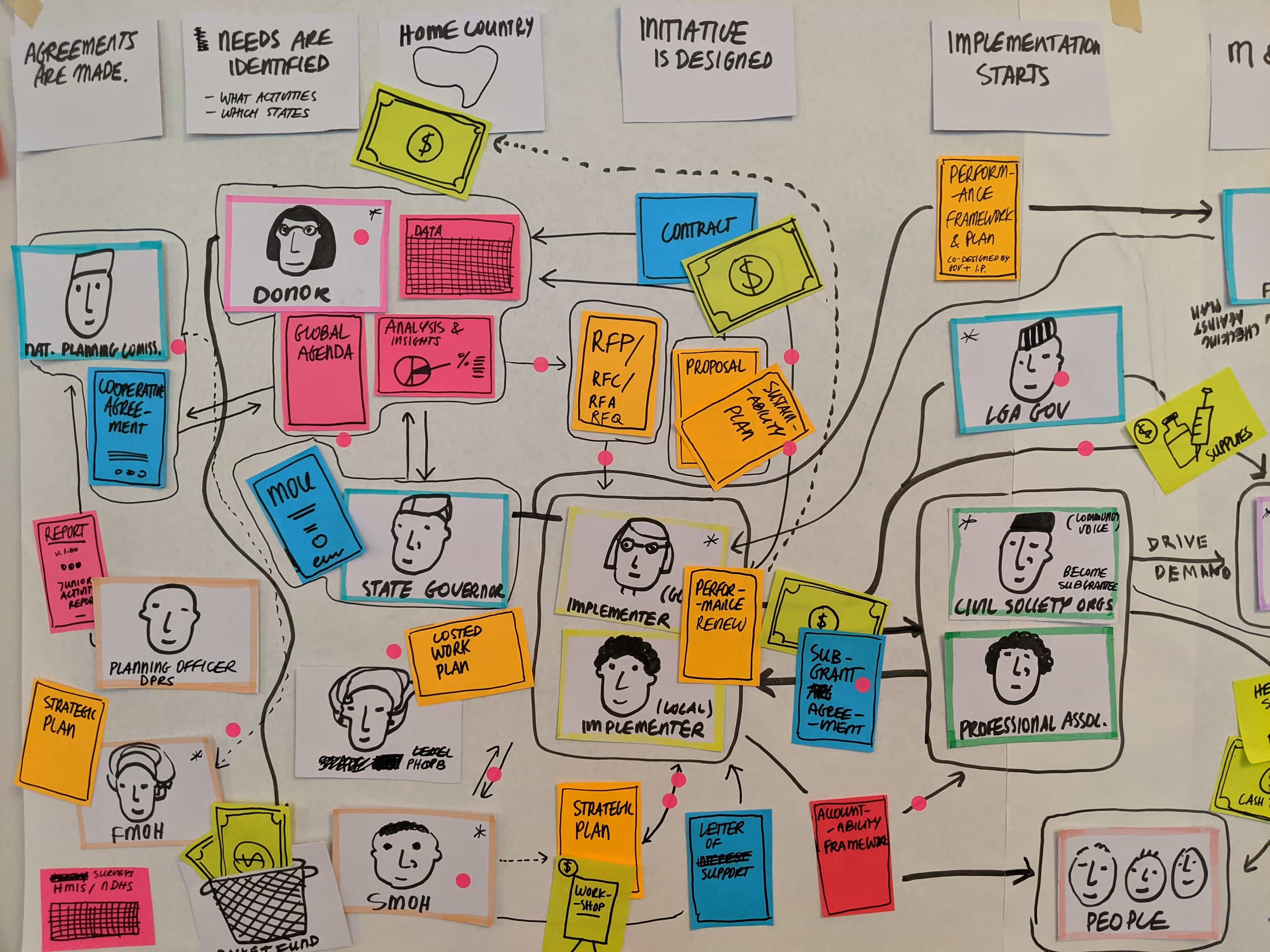
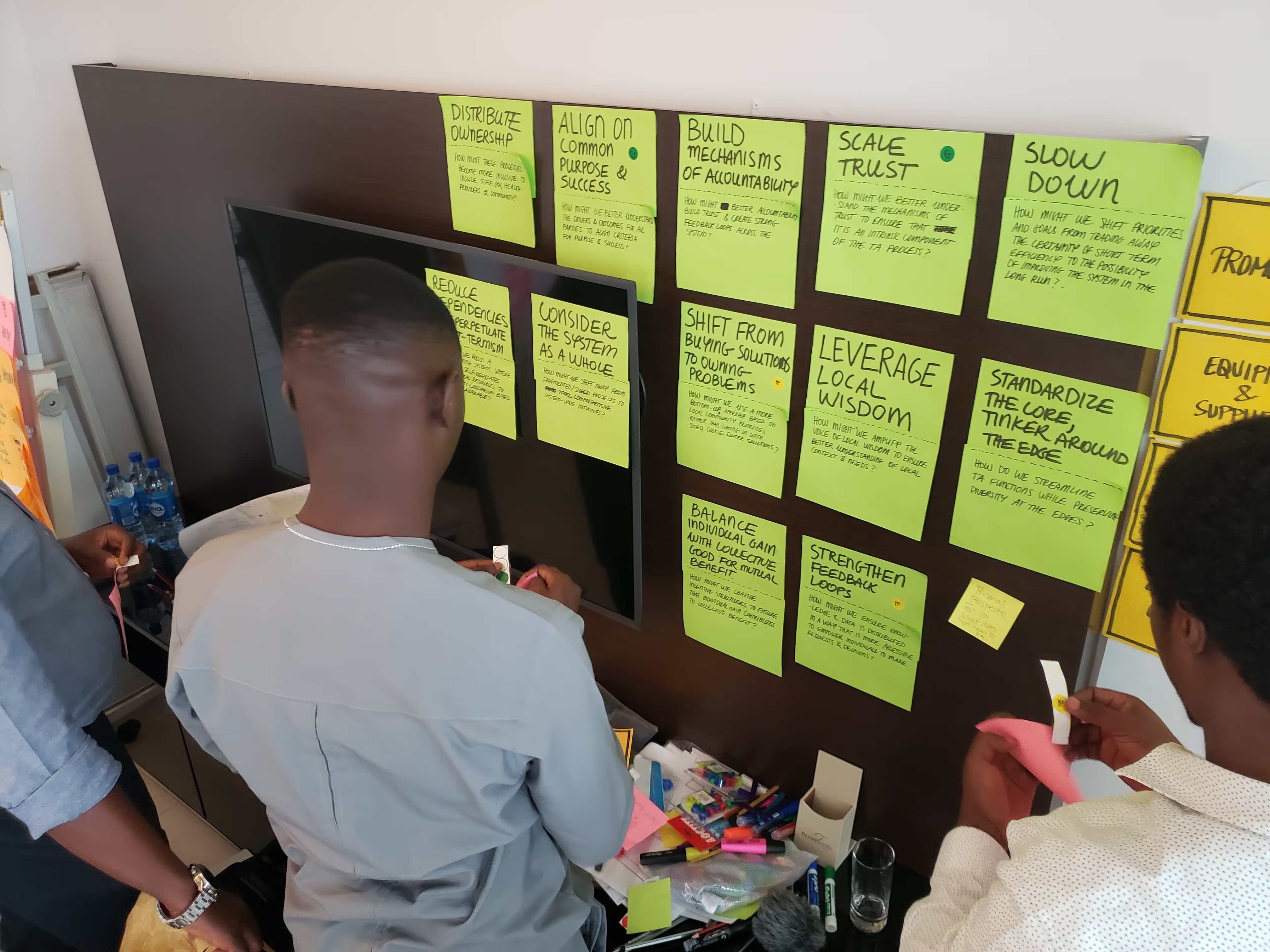
- Facilitated co-creation sessions with stakeholders to build new technical assistance models.
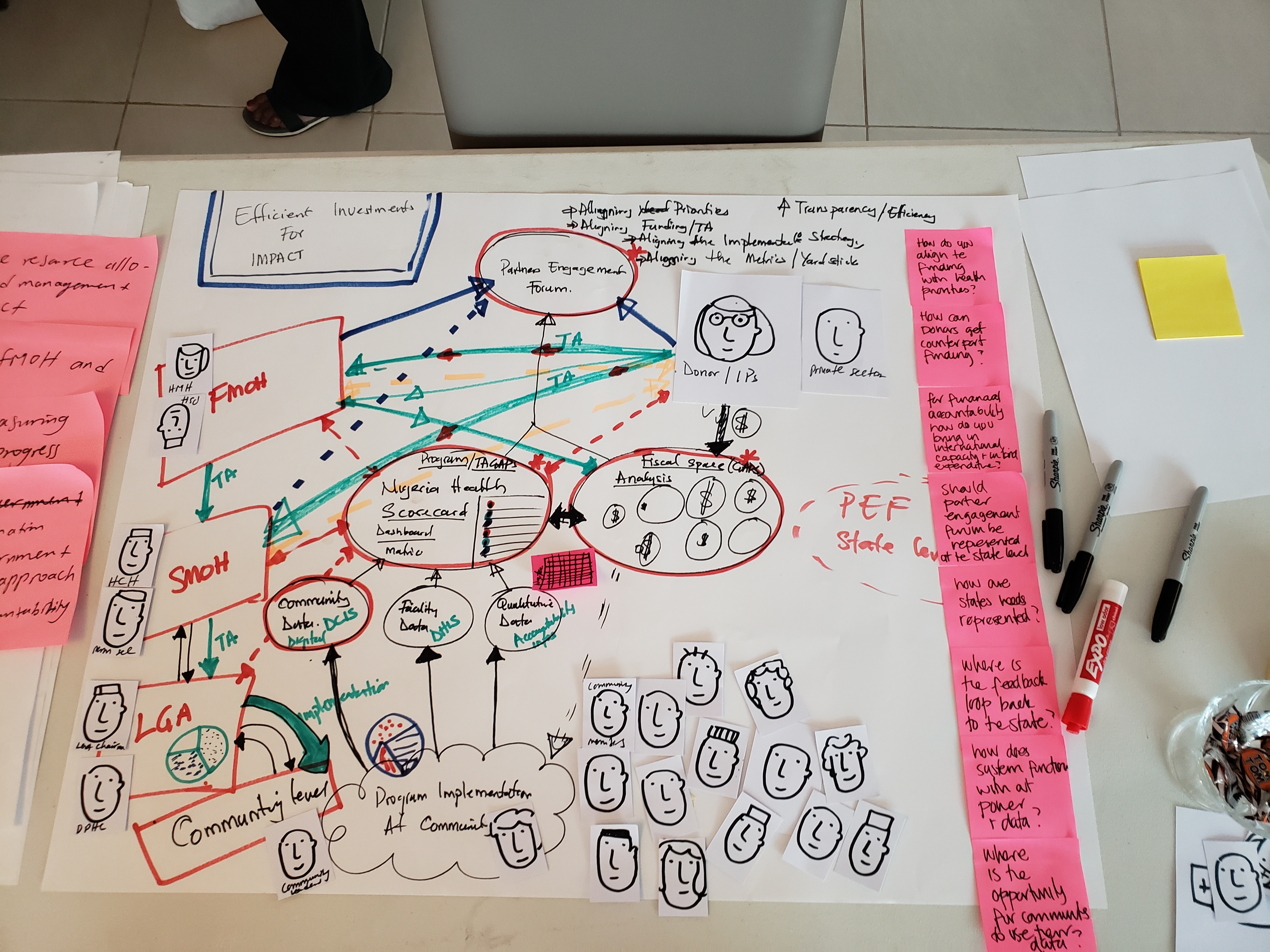
- Prototyped and further developed these new models, which included country roadmaps, design principles, new technical assistance formats, and interdisciplinary co-creating teams, in Nigeria and DRC.
- Produced a report encouraging global stakeholders to adopt recommended best practices.
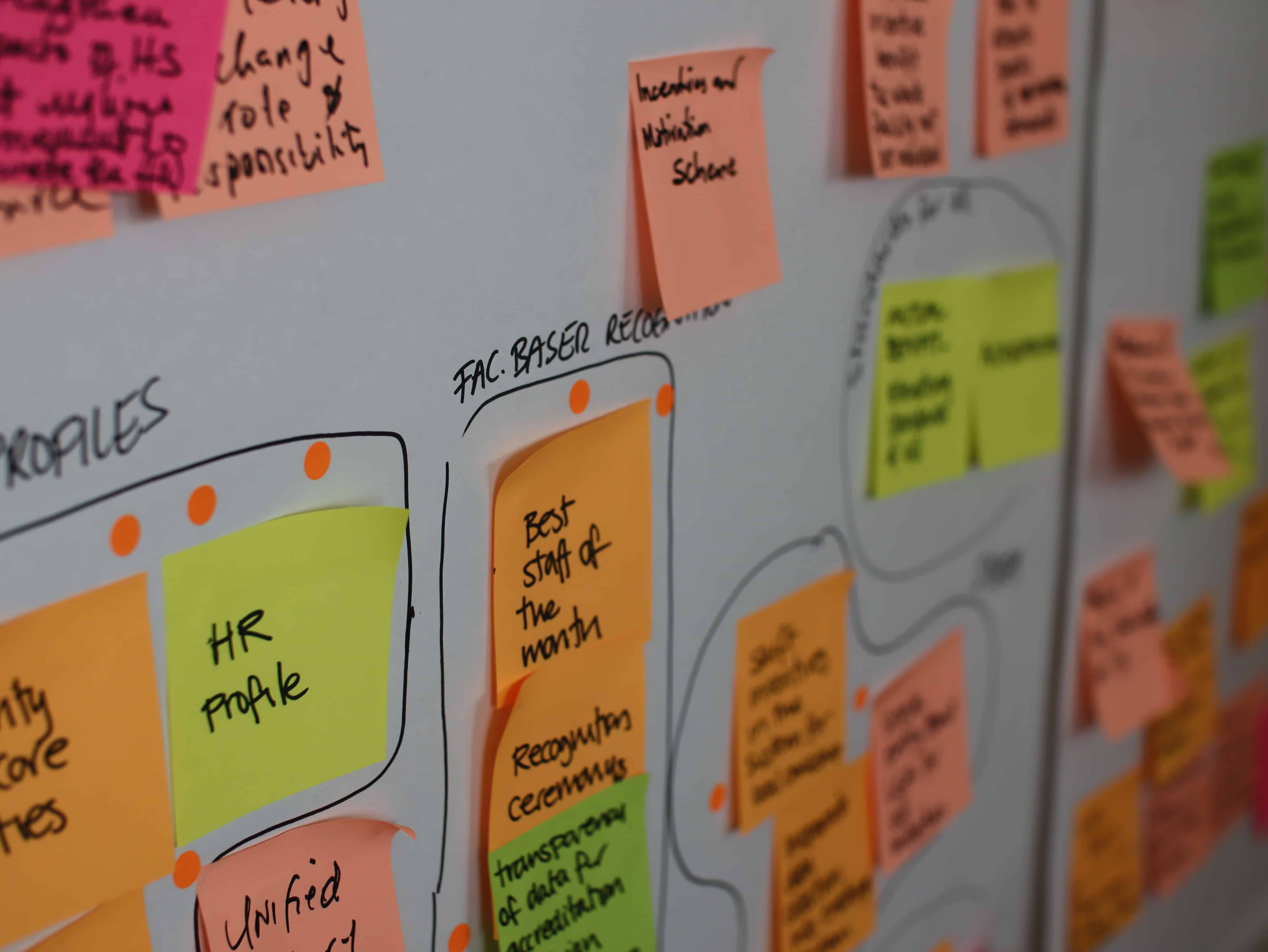
Credit: Sonder Collective.