Identifying the challenges around using data for decision-making in delivering immunisation services
Impact
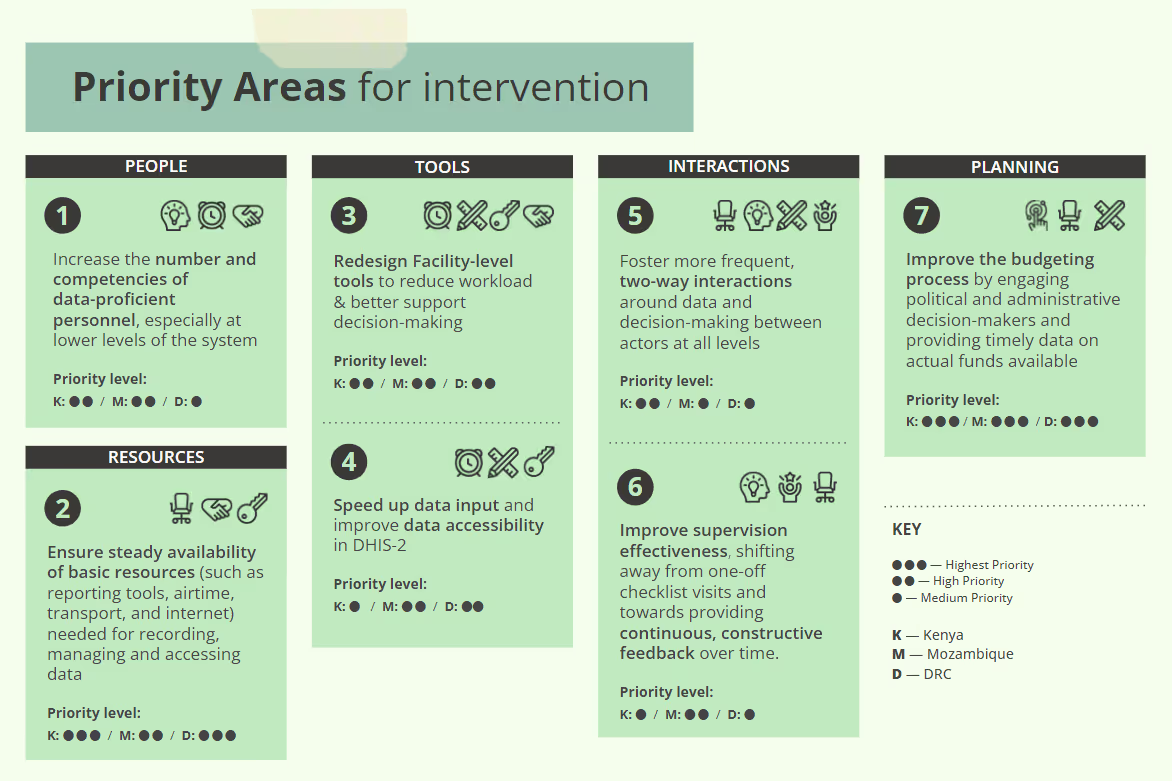
The VxData Insights project used a human-centred design approach to uncover the root causes that prevent immunisation staff in the Democratic Republic of the Congo, Kenya, and Mozambique from using data effectively. These findings informed priority interventions in five key areas, ranging from increasing the number of data-proficient personnel to improving supervision effectiveness, designed to strengthen data use for decision-making and ultimately help improve the performance of immunisation programs.
What truly distinguished this work was Sonder’s dedication to understanding the day-to-day realities of immunisation staff in each context. Instead of arriving with pre-set solutions, they listened, observed, and carefully surfaced the real barriers to data use in ways that others across the ecosystem could act on.
Challenge
Despite immunisation being one of the most powerful ways to save lives, health workers can't always access the data they need to do their jobs well. The problems—time constraints, limited tools, low motivation—are familiar, but poorly understood. Without knowing why these barriers exist, not just what they are, designing effective solutions remains nearly impossible.
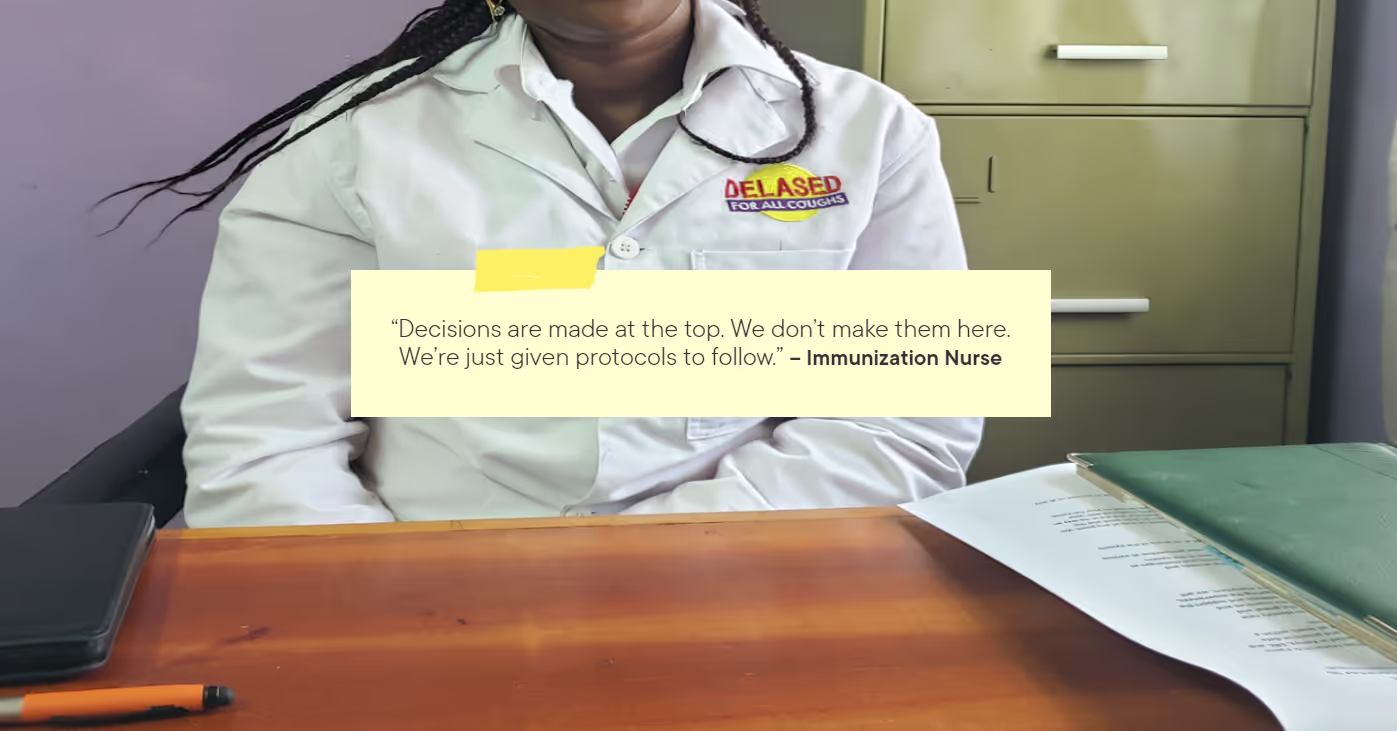
Decisions are made at the top. We don’t make them here. We’re just given protocols to follow.
Immunisation Nurse
Credit: Sonder Collective.
Approach
Sonder used a human-centered design approach to explore the challenges around data collection and use for decision-making at all levels of the expanded immunisation programs in the Democratic Republic of the Congo, Kenya, and Mozambique.
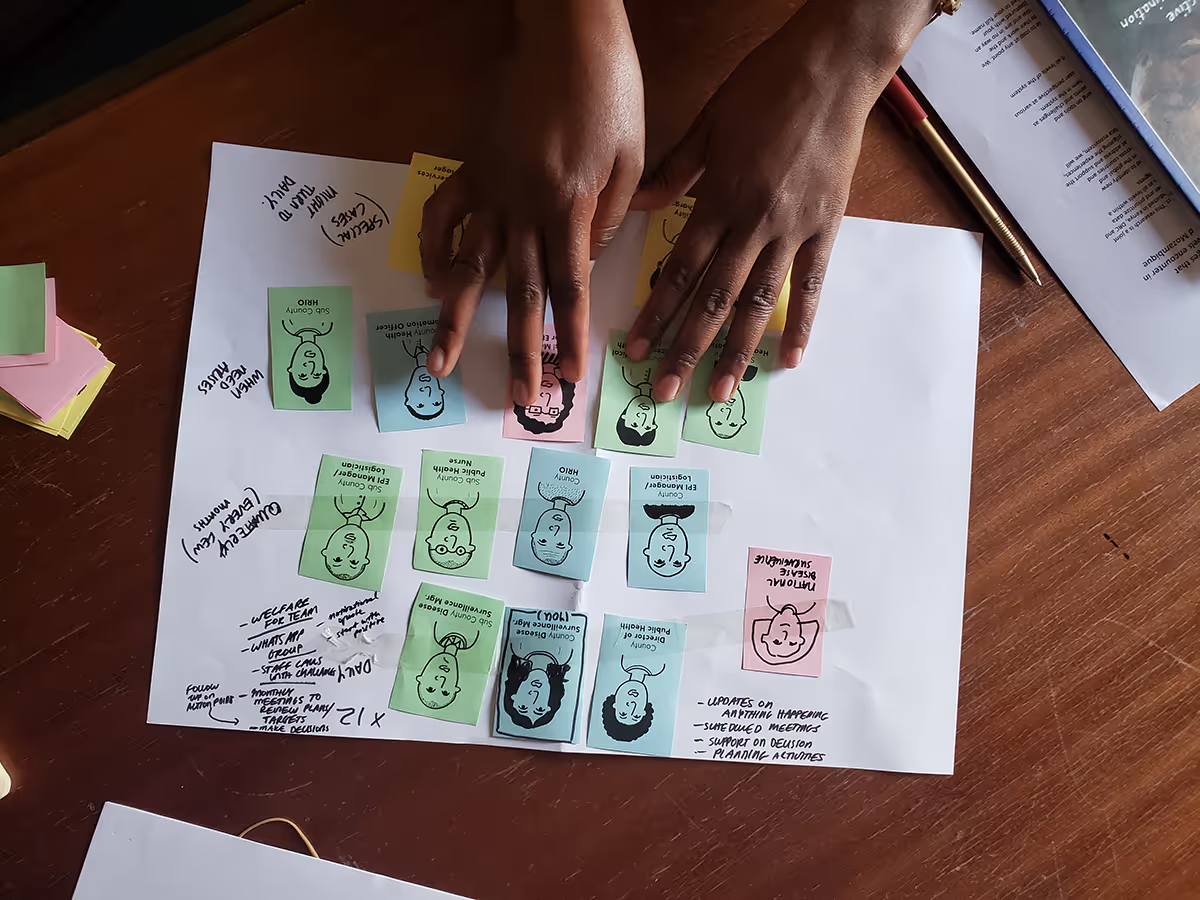
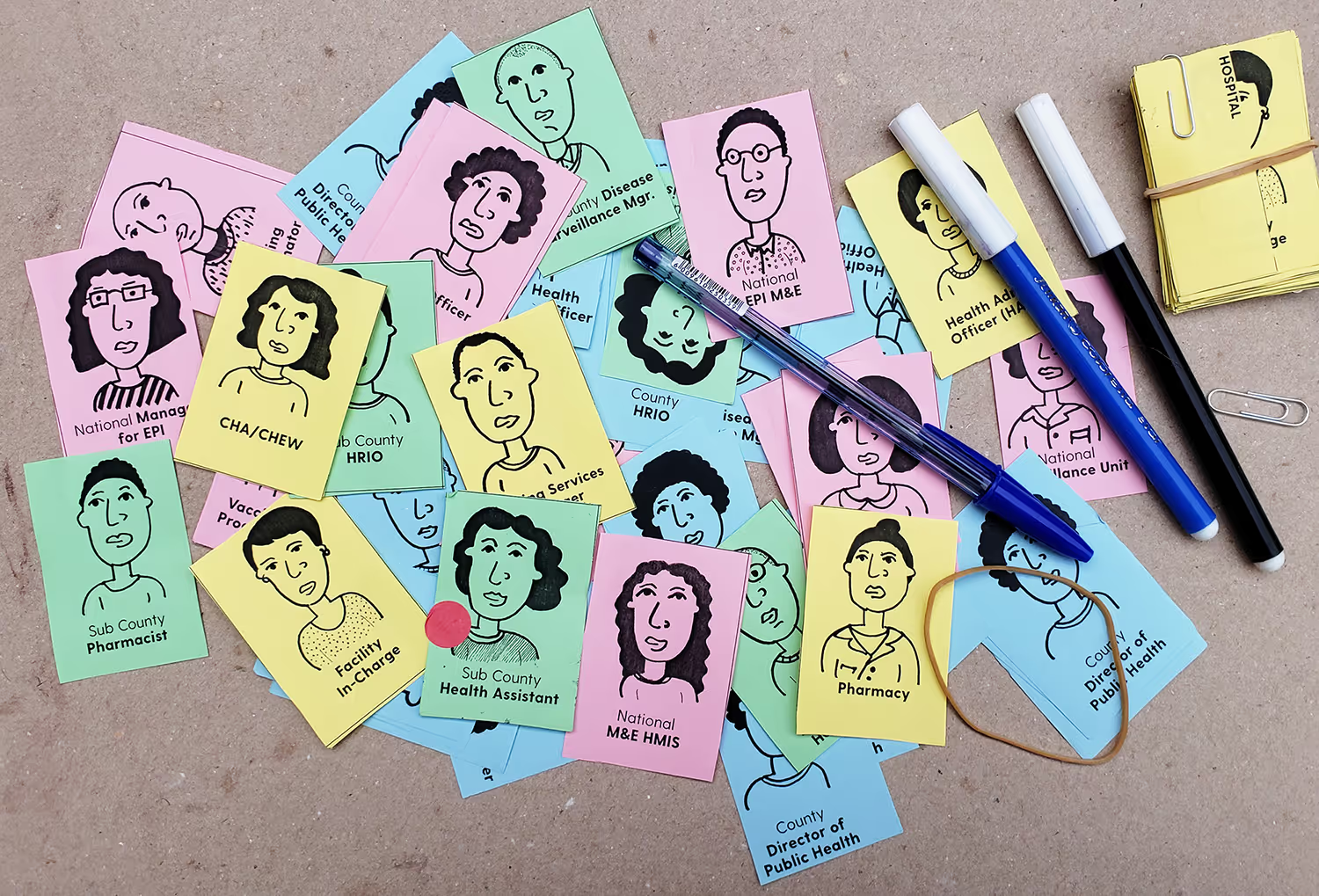
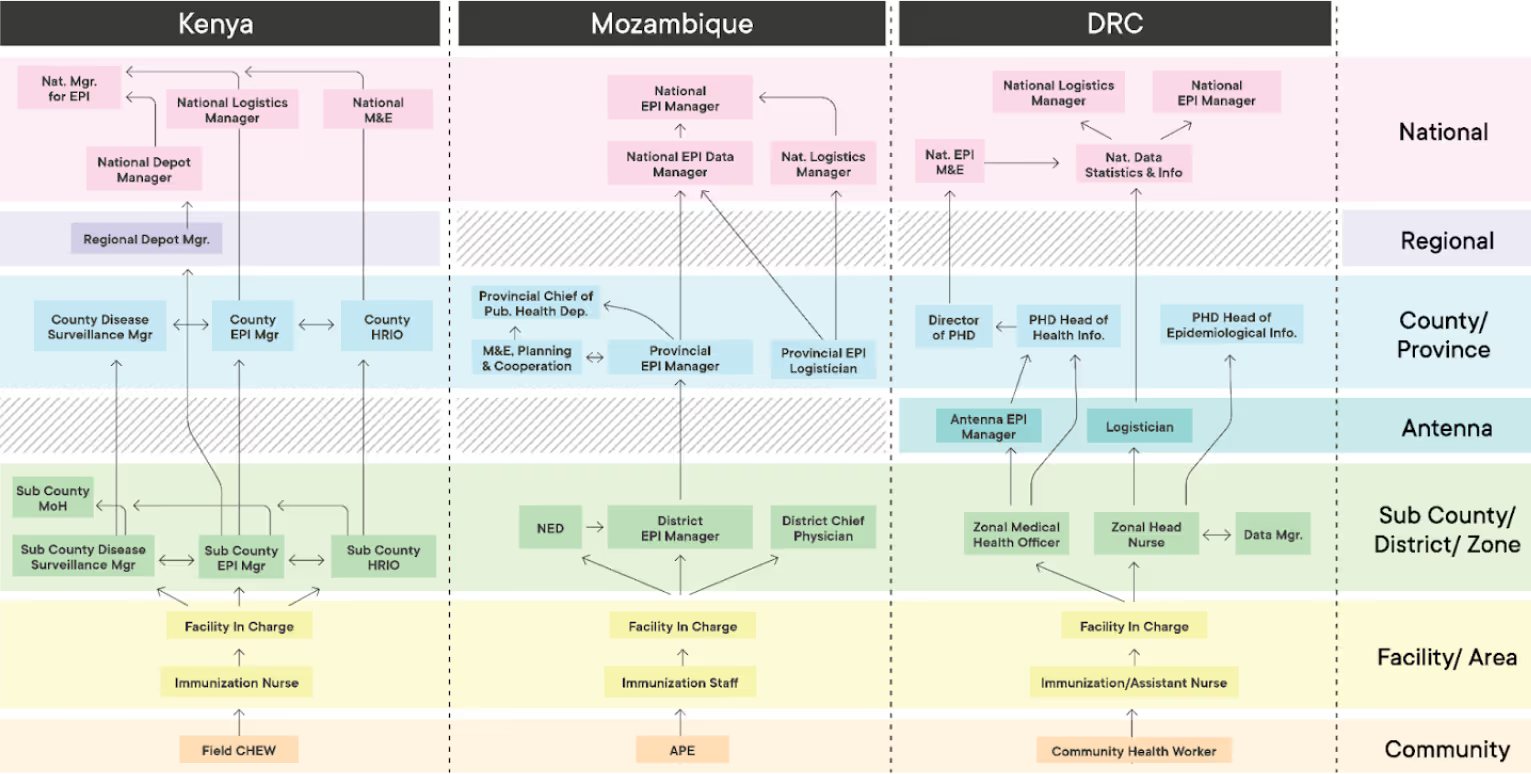
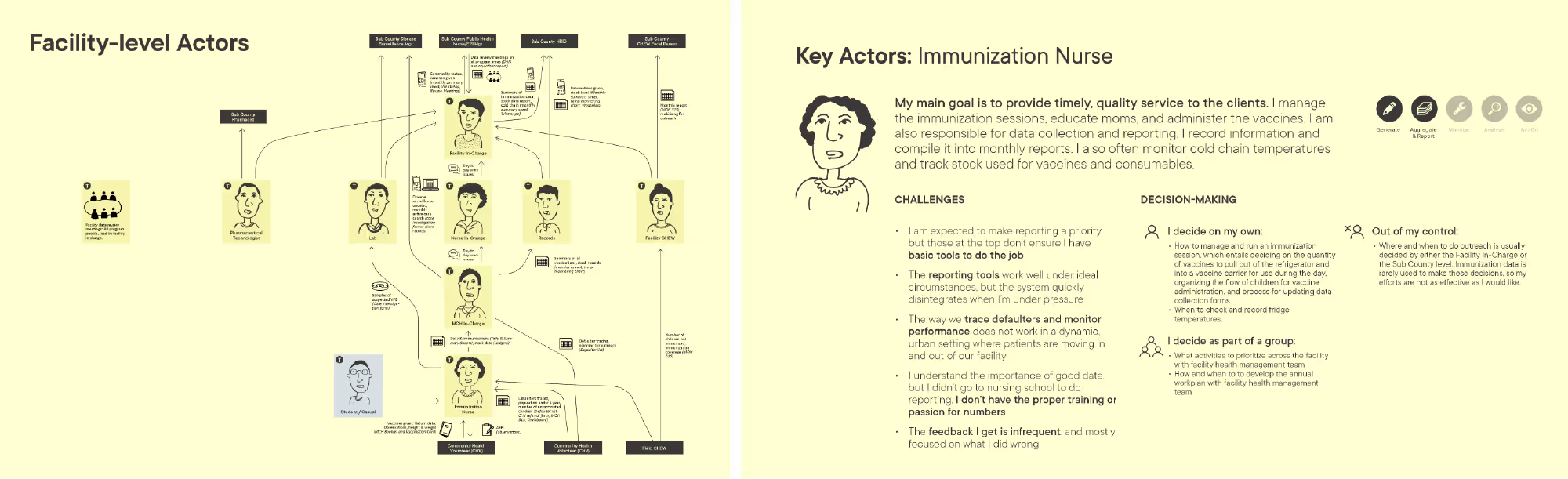
The project team conducted in-depth qualitative research in each country, engaging over 150 decision-makers, data collectors, and data users. Through interactive actor-mapping and storytelling activities, the team visualized current interactions and data flows, helping to unpack system challenges and identify their root causes.
Drawing on these insights, the team created detailed system maps for each country illustrating the unique challenges, types of decisions made, interactions, and the data and tools used by each actor.
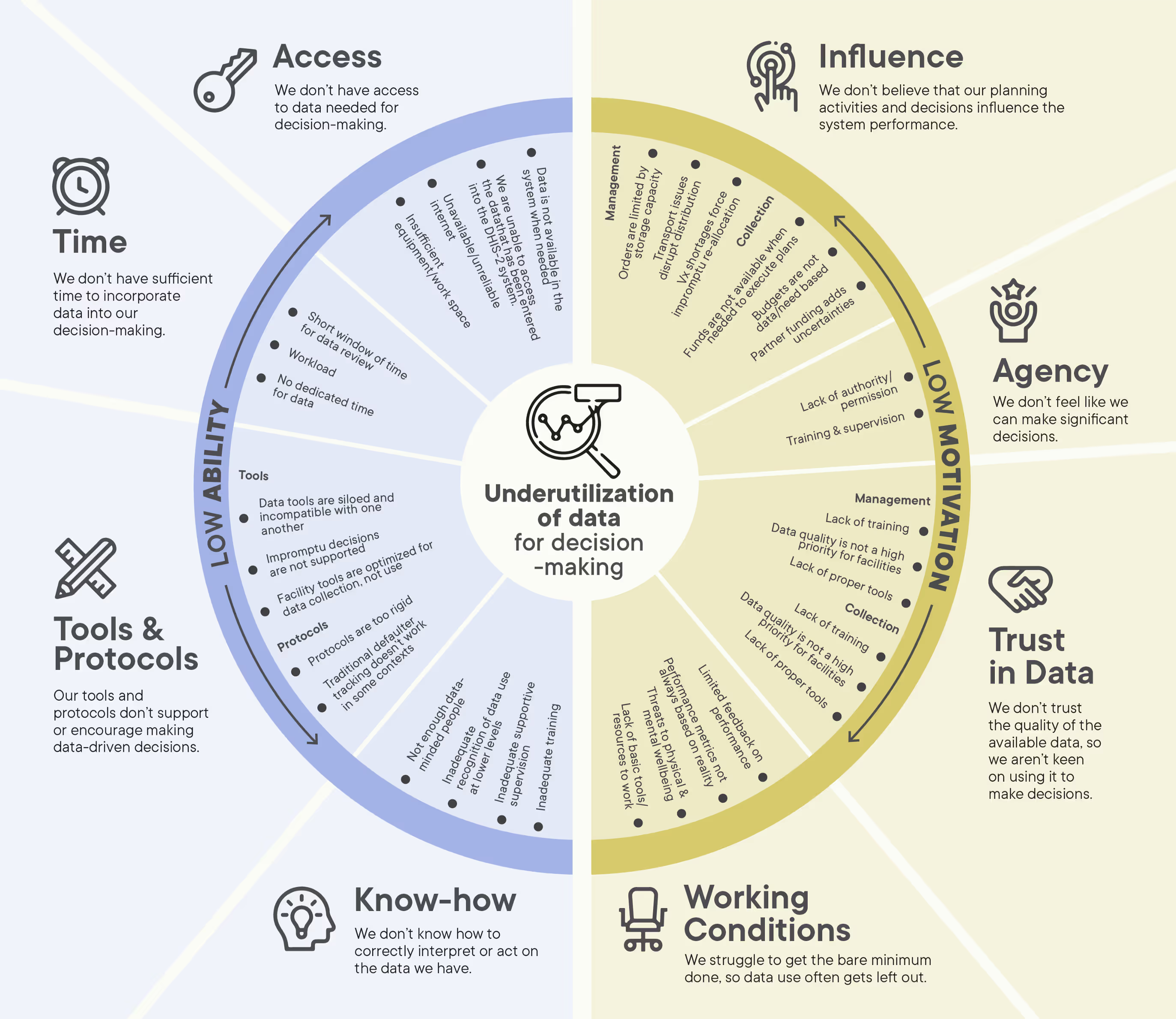
This information was further synthesized into a root-causes framework outlining eight key factors, including access, time, agency, and influence, that were leading to the underutilization of data for decision-making.
Partners