Building accountability between humanitarian organizations and communities
Impact
Relief Watch prototyped an independent accountability mechanism in Iraq, demonstrating that incentivising humanitarian organizsations to respond to independently gathered feedback could meaningfully improve how aid reaches the people who need it most. This effort directly inspired the creation of TalkToLoop.The Relief Watch proof-of-concept platform demonstrated how digital tools can shift power dynamics in humanitarian settings, giving recipients a direct voice in evaluating the organizations serving them.
Relief Watch was awarded the 2020 Core77 award for design for social impact.
Credit: Sonder Collective.
The Sonder team is a wonderful design partner… (Relief Watch was an) important but sensitive project (that) required deep expertise in service design for complex adaptive systems, a command of humanitarian aid challenges, and an ability to lead mixed groups of senior officials, aid workers and refugees through in-depth thought experiments and prototyping exercises, and primarily in Iraq. (The team) handled all aspects of the project with energy, professionalism and grace. They upheld a solution-oriented way of working and demonstrated high levels of creativity, honesty, flexibility and integrity.
Challenge
Humanitarian organizations lack transparent mechanisms that give communities affected by crises consistent, independent ways to hold service providers accountable. Many existing feedback systems are operated by the humanitarian organizsations themselves, raising concerns about impartiality and sustainability.
Credit: Sonder Collective.
Approach
Relief Watch combined participatory design and iterative prototyping with a firm commitment to research that directly supported and benefited the participating communities.
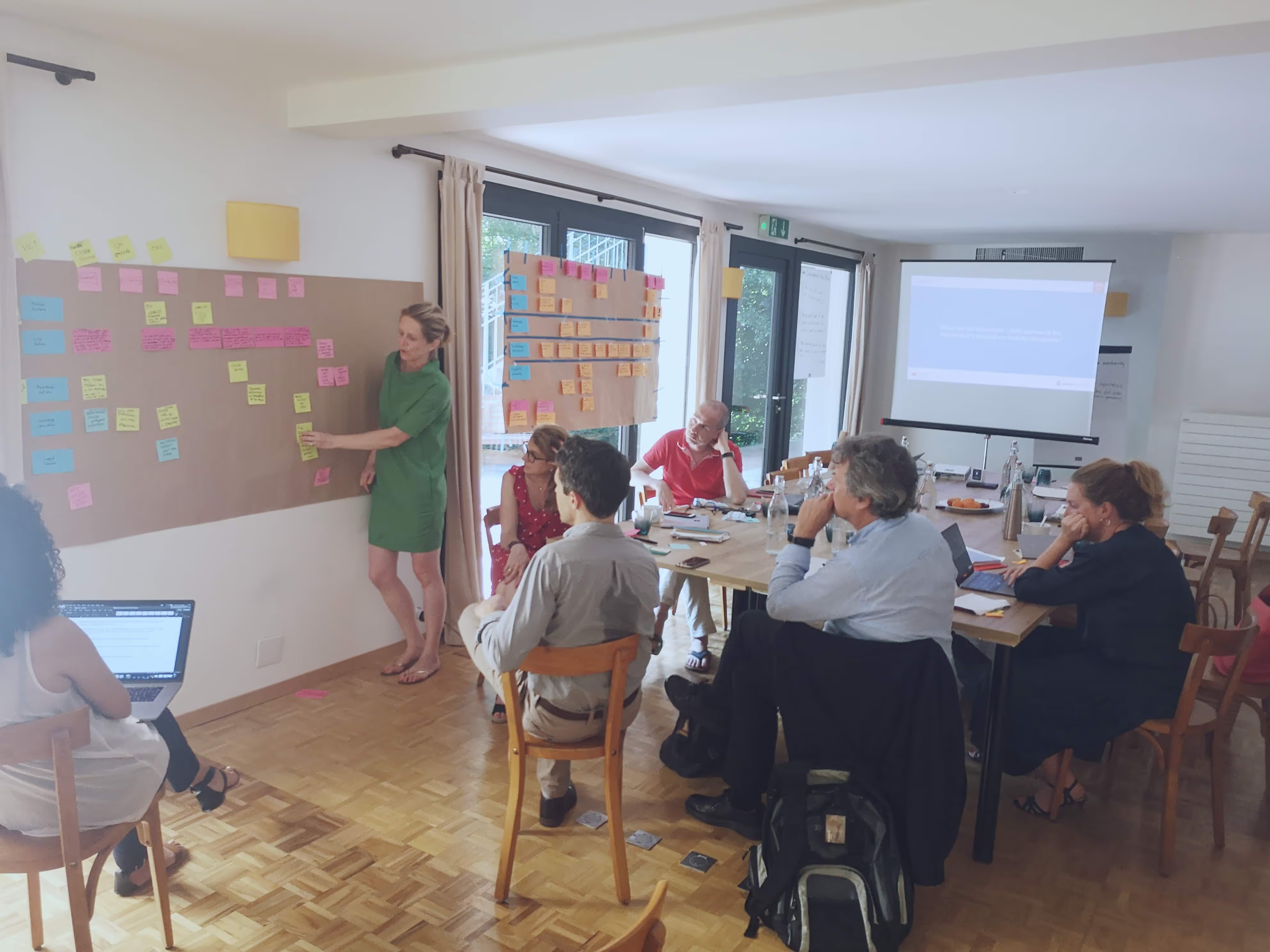
The Sonder team began by running stakeholder workshops to explore mechanisms for incentivizing organizations to reply to collected feedback—be it positive or negative.
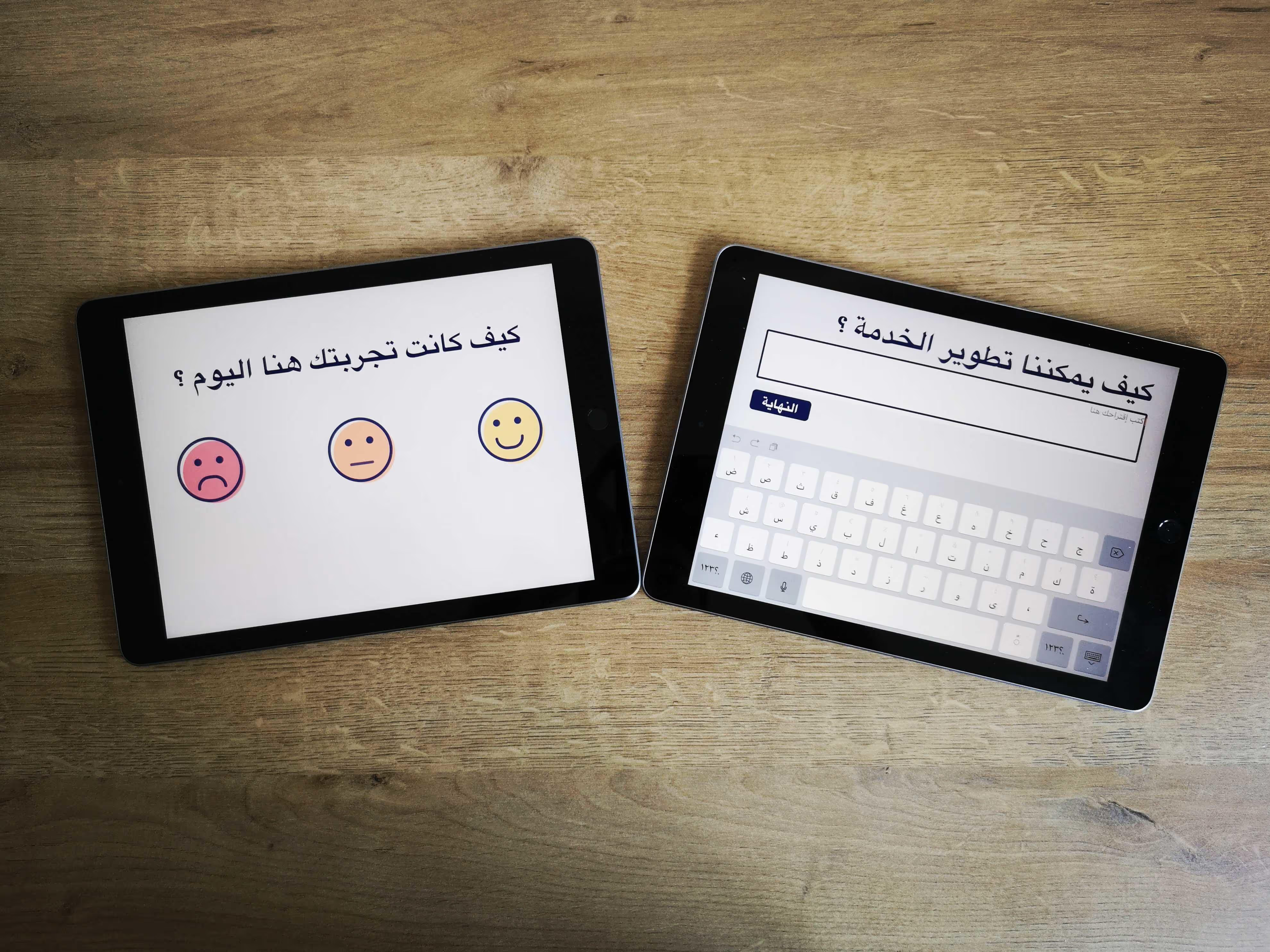
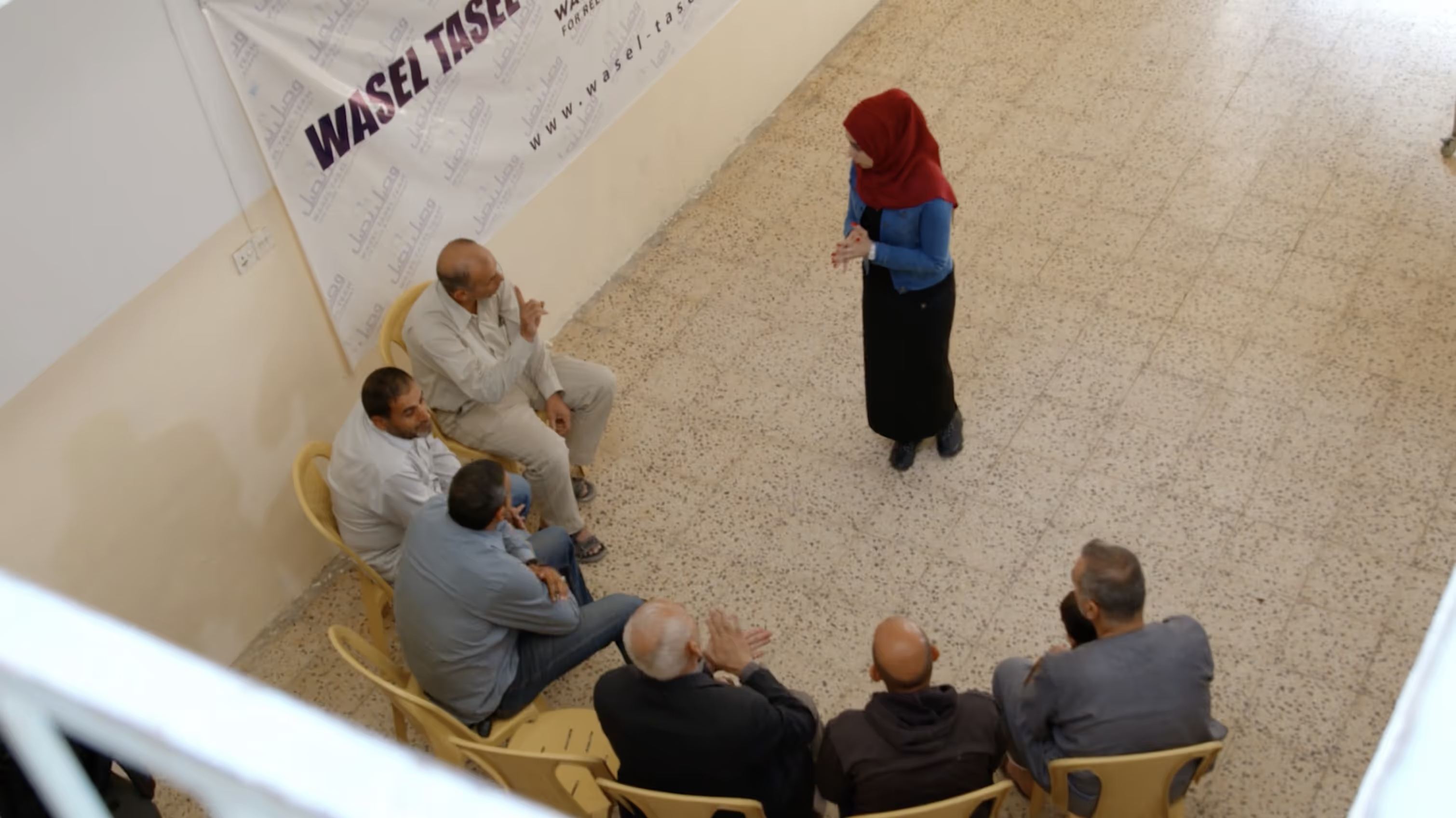
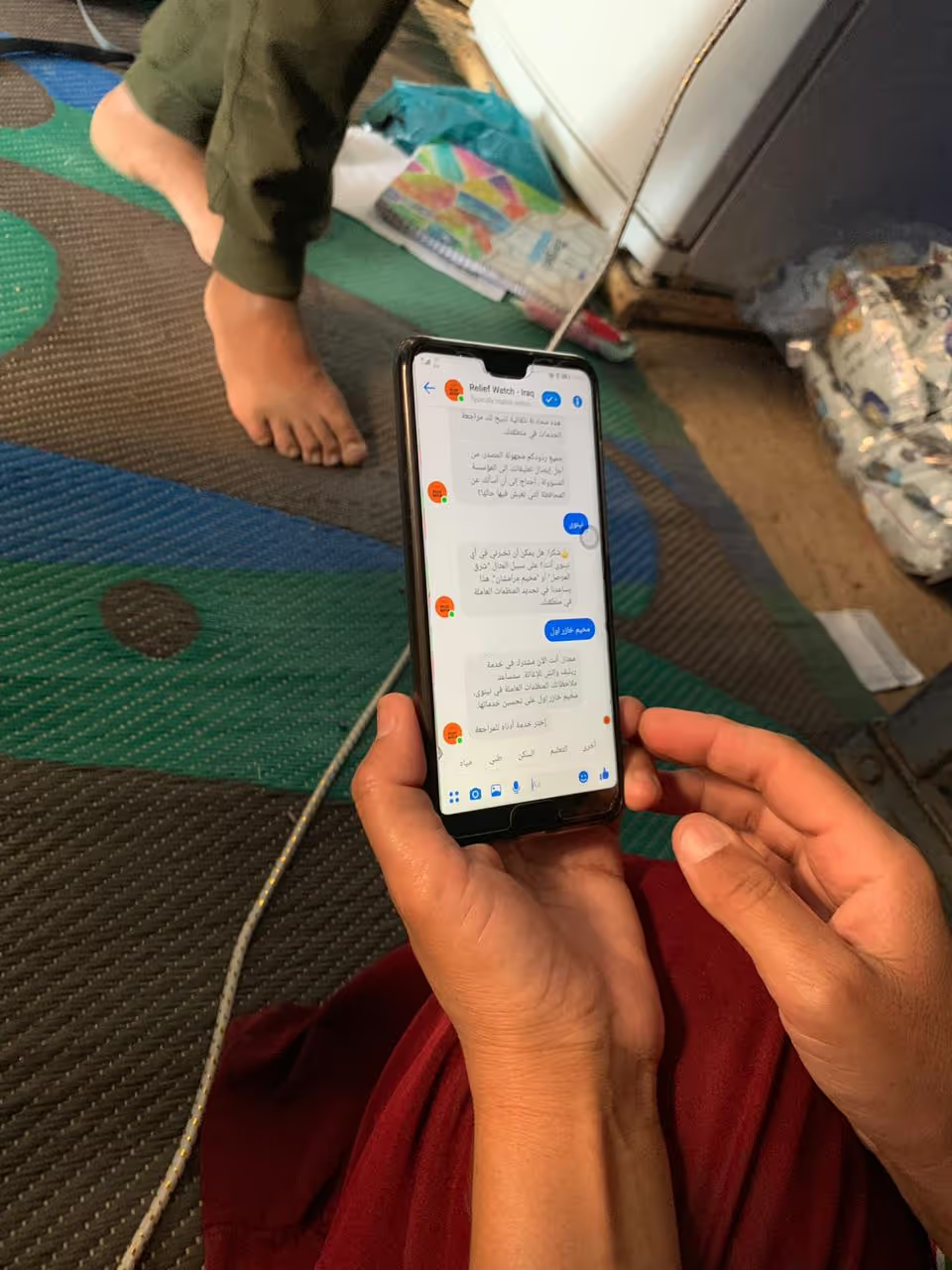
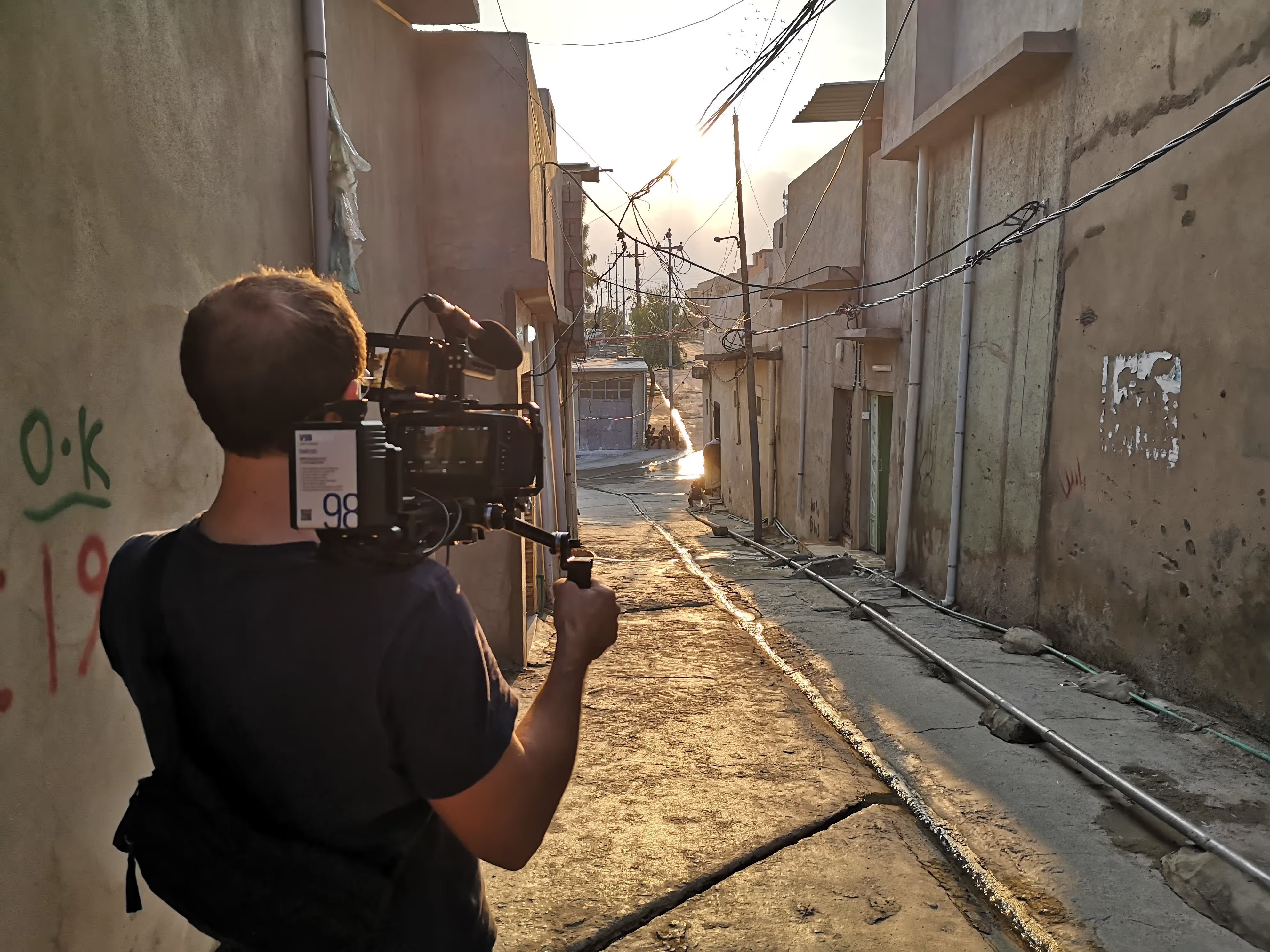
Following this initial stage, the team travelled to refugee and displaced communities in Iraq to test feedback channel prototypes ranging from Facebook Messenger and SMS chatbots to in-person feedback forums.Camp authorities were deliberately excluded from sessions so residents could speak freely. Gathered insights were shared with both local authorities and funding organisations in a timely way.
Nobody comes here and sees our situation. This was the first time anybody asked us about these issues.
Community participant, Mosul, Iraq
Finally, Sonder built a proof-of-concept platform using Webflow, and also filmed a video featuring crisis-affected voices to help socialize the concept internationally.